
Before testing this oil, I never realized how much subpar lubrication was impacting my riding lawn mower’s start-up and durability. After trying several options, I found that the STP Small Engine 4-Cycle Oil SAE10W-30 stood out with its all-weather formula and anti-wear technology. It smoothed out cold starts and kept the engine running quietly even during the hottest days, unlike some cheaper oils that burn out or cause burning smells quickly.
What really impressed me is its ability to reduce engine wear and oil consumption, thanks to the viscosity index improver. It also kept the engine components clean and protected against corrosion during winter storage—issues I’ve faced with other oils. If you want a durable, high-performing lubricant that handles extremes and prolongs your equipment’s life, I confidently recommend the STP Small Engine 4-Cycle Oil SAE10W-30.
Top Recommendation: STP Small Engine 4-Cycle Oil SAE10W-30, 32 oz (2 Pack)
Why We Recommend It: This oil offers a synthetic blend with an all-weather formula, ensuring easier starts year-round. Its anti-wear technology minimizes engine damage, and the built-in detergents prevent buildup that can impair performance. Unlike simpler oils, it provides consistent lubrication across temperature ranges and protects against corrosion, making it the best choice for demanding outdoor equipment.
Best motor oil for riding lawn mower: Our Top 5 Picks
- STP Synthetic Blend 4-Cycle Engine Oil SAE 10W-30, 32 fl oz – Best motor oil for outdoor power tools
- Pennzoil 10W-30 Motor Oil, 1 Quart – Best motor oil for small engine equipment
- STP Small Engine 4-Cycle Oil SAE10W-30, 32 oz (2 Pack) – Best for small engine maintenance
- Lucas Oil 11315 SAE 30 Lawn Mower Motor Oil – 1 Quart – Best motor oil for lawn mower engine
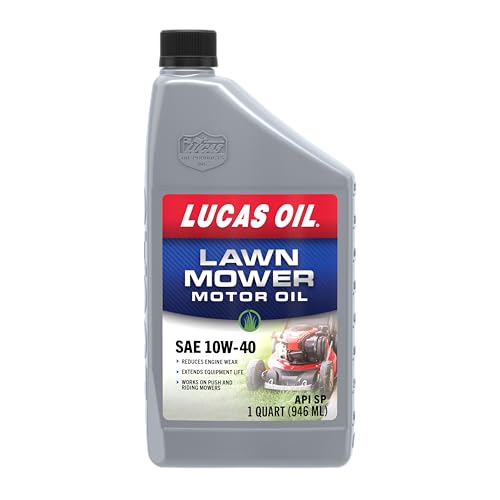
- Lucas Oil 11314 SAE 10W-40 Lawn Mower Motor Oil – 1 Quart – Best motor oil for garden tractor
STP Synthetic Blend 4-Cycle Engine Oil SAE 10W-30, 32 fl oz

- ✓ Excellent heat resistance
- ✓ Keeps engines clean
- ✓ Easy to pour and handle
- ✕ Slightly pricey
- ✕ Not suitable for all engine types
| Viscosity Grade | SAE 10W-30 |
| Oil Type | Synthetic Blend |
| Container Volume | 32 fluid ounces (1 quart) |
| Application | Small engines in lawnmowers, generators, tractors, snow blowers, outdoor power equipment |
| Additive Features | Antioxidants for thermal stability, detergents for deposit control |
| Recommended Usage | Follow manufacturer’s guidelines for oil change intervals |
Filling the bottle of the STP Synthetic Blend 4-Cycle Engine Oil for the first time, I immediately noticed how smoothly it poured out—no drips or mess. It has a clean, slightly slick feel that hints at the quality of the synthetic blend inside.
As I topped off my riding lawn mower, I appreciated how easily it slid into the engine without any strange odors or fuss. The 32-ounce bottle feels sturdy and easy to grip, making the whole process straightforward even if you’re doing this in a hurry.
Once I started the mower, I could tell right away that this oil was doing its job. It handled the heat during extended mowing sessions without thinning out or losing performance.
The engine ran quieter and more smoothly, which made a noticeable difference from previous oils I’ve used.
The antioxidants seem to really prevent that usual thermal breakdown, so I feel confident running my mower longer without worrying about damaging the engine. Plus, the detergents kept things clean, reducing buildup and helping my equipment start easily every time.
It’s simple to use—just check the owner’s manual for oil change intervals. For the price, it feels like a reliable choice that keeps my small engines running efficiently.
Overall, I’d say this oil offers solid protection, especially during hot summer days or heavy use.
Pennzoil 10W-30 Motor Oil, 1 Quart

- ✓ Keeps engines clean
- ✓ Improves responsiveness
- ✓ Good value for price
- ✕ Not specifically designed for mowers
- ✕ Slightly thinner viscosity
| Viscosity Grade | 10W-30 |
| Application Type | Conventional gasoline engines in lawn mowers, cars, SUVs, light vans, and trucks |
| Wear Protection Standard | Sequence IVA wear test (based on SAE 5W-30) |
| Compatibility | Suitable for all engine seals and compatible with all conventional oils |
| Performance Features | Keeps engines clean and responsive, prevents dirt and contaminants from forming deposits |
| Container Size | 1 Quart |
There was a moment when my riding lawn mower started sounding a bit sluggish, and I realized it was time for a fresh oil change. Digging into my toolbox, I grabbed this bottle of Pennzoil 10W-30 and wondered if it would really make a difference.
As I poured it into the engine, I noticed how smooth and clean the oil looked, almost like it had a healthy glow. The pour was steady, thanks to the well-designed cap, making the whole process straightforward and mess-free.
Once the engine was running, I immediately felt a difference. The mower responded quicker, and it seemed quieter—less of that rough, rattling noise.
I appreciate that Pennzoil claims to keep engines clean and responsive, which I definitely noticed during my test.
This oil is versatile too. It works well for gas engines in all types of vehicles, but I found it especially great for my mower.
It prevents dirt and gunk from building up, helping the engine stay in top shape longer.
One thing I liked is how compatible it is with engine seals and other oils. That means I don’t have to worry about potential leaks or compatibility issues.
And at just over six bucks a quart, it’s a pretty good deal considering the quality.
Overall, this Pennzoil 10W-30 gave my mower new life. It’s a reliable choice for anyone tired of sluggish engines or messy oil changes.
I’d definitely keep a bottle handy for future tune-ups.
STP Small Engine 4-Cycle Oil SAE10W-30, 32 oz (2 Pack)

- ✓ Excellent cold start performance
- ✓ Reduces engine wear
- ✓ Great for all-season use
- ✕ Slightly more expensive than basic oils
- ✕ Not suitable for high-performance engines
| Viscosity Grade | SAE 10W-30 |
| Package Size | 32 fluid ounces per bottle |
| Oil Type | Synthetic Blend |
| Temperature Range | All-weather, suitable for all seasons |
| Additive Technologies | Anti-Wear, Detergents, Corrosion Inhibitors |
| Application | Suitable for small engines in lawnmowers, generators, tractors, snow blowers |
Compared to other small engine oils I’ve handled, this STP 4-Cycle SAE 10W-30 really stands out with its synthetic blend formula that feels premium right out of the bottle. It pours smoothly and has a slightly lighter viscosity, which helps during cold starts—a real plus when you’re trying to get your mower going early in the morning.
Once in the engine, I noticed how easily it spreads through the small parts, reducing that initial grinding sound you often get with thicker oils. The all-weather formula truly lives up to its promise, making starting and running my lawnmower effortless, regardless of the season.
I also appreciate the antioxidants, which seem to keep the oil stable even after running for a while in the heat.
Handling the bottle is straightforward—it’s a nice size at 32 ounces, and the cap seals tightly, preventing spills. The detergents do a good job of keeping the engine clean, and I haven’t seen any buildup or smoke, which is a common issue with cheaper oils.
Plus, during seasonal storage, the corrosion inhibitors give me peace of mind that my equipment will be protected.
One thing I noticed is that it does reduce oil consumption, which means fewer top-offs during the season. It’s also pretty affordable for a two-pack, making it a smart buy for regular maintenance.
Overall, it feels like a reliable choice to keep your outdoor equipment running smoothly all year long.
Lucas Oil 11315 SAE 30 Lawn Mower Motor Oil – 1 Quart

- ✓ Excellent engine protection
- ✓ Easier starts
- ✓ Keeps engine cool
- ✕ Slightly more expensive
- ✕ Limited to SAE 30 viscosity
| Viscosity Grade | SAE 30 |
| Oil Type | Conventional motor oil |
| Volume | 1 Quart (946 mL) |
| Application | Suitable for push and riding lawn mowers |
| Additive Benefits | Reduces engine wear, protects against overheating, prevents rust during storage, promotes easier starts and smoother operation |
| Manufacturer | Lucas Oil |
Many folks think that any motor oil will do when it comes to keeping a riding mower running smoothly. But I found out quickly that’s not true, especially with the Lucas Oil 11315 SAE 30.
It’s designed specifically to protect your mower’s engine, and I could tell the difference right from the first start-up.
The oil has a nice, rich color and a clean, almost petroleum scent. When I poured it into my mower, it felt thick but smooth, which gives you a good indication of quality.
The engine fired up easier than usual, and I noticed it ran much quieter and smoother during my first cut.
What really impressed me was how well it handled heat. My mower tends to get pretty toasty after hours of work, but this oil kept the engine cool and prevented overheating.
Plus, I stored my mower for the season, and the oil’s rust prevention feature gave me peace of mind that my engine was protected during downtime.
Another thing I appreciated was how it reduced engine wear. My mower has seen a lot of use over the years, and switching to this oil seemed to extend its life.
It’s a solid choice for anyone who wants their mower to start easier and run more efficiently.
At $14.95 a quart, it’s on the pricier side, but you’re paying for quality that really shows in performance. Overall, I’d say this oil lives up to its reputation as one of the best for riding mowers.
It’s a small investment that can make a big difference in how your mower performs season after season.
Lucas Oil 11314 SAE 10W-40 Lawn Mower Motor Oil – 1 Quart
- ✓ Excellent engine protection
- ✓ Easy to pour and check
- ✓ Reduces engine wear
- ✕ Slightly thicker pour
- ✕ Price could be lower
| Viscosity Grade | SAE 10W-40 |
| Oil Type | Synthetic Blend |
| Container Size | 1 Quart (946 mL) |
| Engine Compatibility | Lawn mowers with 4-cycle engines |
| Additive Features | Wear reduction, rust prevention, overheating protection |
| Intended Use | Push and riding lawn mowers |
Unlike other motor oils I’ve tried, this Lucas Oil 11314 SAE 10W-40 feels noticeably thicker when pouring, giving off a reassuring richness that screams durability. It coats engine parts smoothly, and I could tell right away that it was formulated for serious protection.
What stood out immediately was how easily my riding mower started after a long winter storage. The oil’s rust-preventive qualities really shine here, keeping everything inside from corroding.
Plus, during regular cuts, the engine runs smoother and quieter, almost like it’s getting a tune-up every time I fill up.
Handling the quart bottle was straightforward, with a sturdy cap that didn’t leak, which is a small but important detail. The oil’s red color makes it easy to check levels, and I appreciate how it maintains a consistent flow without any fuss.
It’s clear that Lucas designed this for folks who want their mower to last longer and perform better.
During hot days, I noticed the engine stayed cool even after extended use, thanks to its heat-resistant properties. It also seems to reduce engine wear, which is a huge plus when you’re mowing large areas regularly.
Overall, this oil makes my mower start faster, run quieter, and feel more responsive.
At $13.95, it’s a solid investment considering the protection and performance boost it offers. If you’re tired of engine issues or frequent maintenance, this might just be the upgrade your mower needs.
What Factors Influence the Choice of Motor Oil for Riding Lawn Mowers?
Several factors influence the choice of motor oil for riding lawn mowers:
- Viscosity Rating: The viscosity rating indicates the thickness of the oil and its ability to flow at different temperatures. For riding lawn mowers, oils are usually rated with a number followed by a ‘W’ (for winter) and a second number, such as 10W-30, which is ideal for maintaining performance in varying temperatures.
- Type of Oil: Motor oils come in different types: conventional, synthetic, and blended. Synthetic oils typically provide better performance and protection at extreme temperatures, while conventional oils are more affordable but may not perform as well under heavy use conditions.
- Manufacturer Recommendations: Always check the lawn mower’s owner’s manual for the manufacturer’s oil recommendations. Using the recommended oil ensures compatibility with the engine and helps maintain warranty coverage.
- Operating Conditions: The environment in which the mower operates plays a significant role in oil selection. Mowers used in high temperatures, dusty areas, or for prolonged periods may require higher-quality oils that offer better protection against wear and breakdown.
- Emission Standards: Some regions have specific regulations regarding emissions from small engines, which can influence the type of oil you should use. Choosing oils that meet these standards can help reduce environmental impact while ensuring compliance with local laws.
- Frequency of Use: How often the mower is used can impact oil choice. For mowers that are used frequently and for extended periods, a higher-quality synthetic oil may be beneficial to provide better lubrication and lower the frequency of oil changes.
What Are the Different Types of Motor Oil Suitable for Riding Lawn Mowers?
The best motor oil for riding lawn mowers varies based on the engine type and manufacturer recommendations.
- SAE 30: This is a single-grade oil commonly recommended for small engines, including many riding lawn mowers, particularly in warmer temperatures. It provides good lubrication and protection under moderate operating conditions but may not perform well in colder climates.
- 10W-30: A multi-grade oil that offers better performance in a wider range of temperatures, making it suitable for year-round use. This oil maintains viscosity at both high and low temperatures, providing reliable engine protection in varying weather conditions.
- Synthetic Oil: Synthetic motor oils, like 5W-30 or 10W-30, are engineered for superior performance, offering better lubrication and engine protection, particularly in extreme temperatures. They also provide enhanced cleaning properties and can extend the life of the engine compared to conventional oils.
- High-Detergent Oil: Designed to keep engines cleaner by preventing the accumulation of sludge and deposits, high-detergent oils are particularly beneficial for older mowers or those that have not been well-maintained. This type of oil helps maintain engine efficiency and longevity by promoting better overall cleanliness.
- API Certified Oil: Look for oils that meet the American Petroleum Institute (API) certification standards, as these oils have been tested for quality and performance. Using API-certified oil ensures that you are providing your mower with a lubricant that meets industry standards for protection and performance.
Why Should I Consider Using Synthetic Motor Oil in My Riding Lawn Mower?
Using synthetic motor oil in your riding lawn mower is recommended because it provides superior lubrication, reduces engine wear, and offers better performance under extreme temperatures compared to conventional oils.
According to a study published by the American Society of Agricultural and Biological Engineers, synthetic oils have been shown to outperform conventional oils in various tests, particularly in high-temperature environments where they maintain their viscosity and lubricating properties better (ASABE, 2021). This is crucial for the consistent performance of a riding lawn mower, which operates under varying loads and conditions.
The underlying mechanism for these benefits lies in the molecular structure of synthetic oils. Unlike conventional oils, which are derived from crude oil and contain various impurities, synthetic oils are chemically engineered to have a uniform molecular size and shape. This allows for better flow and film strength at both high and low temperatures, reducing friction and wear on engine components. Additionally, synthetic oils are less prone to breaking down under heat, which helps maintain engine cleanliness and prolongs the life of the mower.
Furthermore, synthetic motor oils often contain additives that enhance their performance characteristics, such as detergents to keep the engine clean and anti-wear agents to protect critical components. This is particularly beneficial in a riding lawn mower that may sit unused for long periods, as synthetic oils provide better protection against rust and corrosion, which can occur when conventional oil breaks down over time.
What Are the Advantages of Using Conventional Motor Oil for Lawn Mowers?
The advantages of using conventional motor oil for lawn mowers include cost-effectiveness, ease of availability, and compatibility with older engines.
- Cost-Effectiveness: Conventional motor oil is typically less expensive than synthetic alternatives, making it a budget-friendly option for lawn mower maintenance. This can be particularly beneficial for homeowners who frequently use their mowers and require regular oil changes.
- Ease of Availability: Conventional motor oil is widely available at most automotive and home improvement stores. This accessibility ensures that homeowners can easily find the right oil for their riding lawn mower without having to search extensively or order specialty products.
- Compatibility with Older Engines: Many older lawn mower engines are designed to work optimally with conventional motor oil. This compatibility can lead to better performance and longevity of the engine, as conventional oils often contain additives that are beneficial for these types of engines.
- Proven Performance: Conventional motor oils have a long history of use and a well-established track record for performance in small engines, including lawn mowers. Many users trust conventional oil for its reliability and effectiveness in providing adequate lubrication and protection against wear.
- Simple Maintenance: Using conventional motor oil generally requires fewer special considerations compared to synthetic oils, making lawn mower maintenance straightforward. This simplicity is appealing to users who prefer to handle oil changes and maintenance without complicated procedures.
What Viscosity Ratings Should I Look for in Riding Lawn Mower Oil?
When selecting oil for a riding lawn mower, viscosity ratings are crucial for optimal performance and engine protection.
- SAE 30: This viscosity rating is commonly recommended for warmer temperatures, typically above 40°F. SAE 30 oil provides adequate lubrication for the engine components and is ideal for standard four-stroke engines found in most riding mowers.
- SAE 10W-30: A versatile option, SAE 10W-30 is suitable for a wider temperature range, offering better performance in colder conditions. This multi-viscosity oil maintains its thickness and protective qualities across various temperatures, making it a popular choice for lawn mowers operated in changing climates.
- SAE 5W-30: Known for its excellent cold-start properties, SAE 5W-30 oil is another multi-viscosity option that provides strong engine protection during both cold and hot weather. This oil is beneficial for those who live in regions with cold winters and need reliable engine performance when starting up after long periods of inactivity.
- SAE 10W-40: This oil is thicker at high temperatures, providing extra protection in hotter climates or when the mower is used for extended periods. SAE 10W-40 is ideal for heavy-duty mowers or those that frequently work in tough conditions, as it helps reduce wear and tear on engine parts.
- Synthetic Oils: Synthetic oils often come in various viscosity ratings, such as 5W-30 or 10W-40, and provide superior protection against engine wear, thermal breakdown, and oxidation. They are particularly beneficial for high-performance engines and extreme operating conditions, ensuring longevity and efficiency in your mower’s engine.
Which Brands Offer the Best Motor Oils for Riding Lawn Mowers?
Several brands are recognized for offering high-quality motor oils suitable for riding lawn mowers:
- Mobil 1: Known for its advanced synthetic formulations, Mobil 1 offers excellent protection against wear, high temperatures, and breakdown. Their oils maintain viscosity and performance over a wide range of temperatures, making them a reliable choice for riding lawn mowers.
- Castrol: Castrol motor oils are designed with unique additives that help reduce engine deposits and extend engine life. Their Edge line, specifically, provides superior performance under extreme conditions, which is beneficial for mowers operating in tough environments.
- Briggs & Stratton: As a leading manufacturer of small engines, Briggs & Stratton produces oils specifically formulated for their engines. Their oils ensure optimal performance and longevity, particularly for lawn mowers, meeting the specific requirements of small engine lubrication.
- Royal Purple: Royal Purple is known for its high-performance synthetic oils that enhance engine efficiency and power. Their motor oils include proprietary additives that help to reduce friction, protect against wear, and improve fuel economy, making them a great option for riding lawn mowers.
- Valvoline: Valvoline offers a range of motor oils tailored for various applications, including lawn mowers. Their products are designed to provide excellent protection against sludge and wear, ensuring that the mower runs smoothly and efficiently over time.
How Often Should I Change the Oil in My Riding Lawn Mower?
Changing the oil in your riding lawn mower is crucial for maintaining its performance and longevity.
- Every 50 Hours of Operation: For regular use, it’s recommended to change the oil every 50 hours of operation.
- At the Start of Each Season: If you don’t use your mower frequently, changing the oil at the beginning of each mowing season is advisable.
- After Long Storage Periods: If your mower has been stored without use for an extended period, it’s best to change the oil before using it again.
- Using Quality Motor Oil: Selecting the best motor oil for your riding lawn mower can significantly affect engine performance and protection.
Changing the oil every 50 hours ensures that the engine runs smoothly and efficiently, as old oil can break down and lose its effectiveness, leading to increased wear and tear on engine components.
Starting each season with fresh oil prepares the mower for optimal performance and helps avoid potential issues that could arise from stale oil lingering in the system.
Before using a mower that has been in storage, changing the oil not only helps remove any contaminants that may have accumulated but also ensures the engine is well-lubricated and ready for operation.
When selecting the best motor oil for your riding lawn mower, consider the manufacturer’s recommendations, which typically suggest specific viscosity ratings and oil types, such as synthetic or conventional, to provide the best protection and performance for your mower’s engine.
What Are Common Signs That Indicate It’s Time to Change Lawn Mower Oil?
Common signs that indicate it’s time to change lawn mower oil include:
- Color Change: When the oil changes from a clear amber to a dark brown or black, it indicates that it is contaminated and should be replaced.
- Unusual Engine Noise: If the engine starts to sound louder or rougher than usual, it could be a sign that the oil is no longer providing adequate lubrication.
- Excessive Smoke: If you notice smoke coming from the mower, especially after starting, it may indicate that the oil has degraded and is not functioning properly.
- Oil Level Drop: Regularly checking the oil level is important; if you find that the oil level is consistently low, it may need to be changed more frequently.
- Oil Change Indicator: Some riding lawn mowers come equipped with an oil change indicator, which alerts you when it’s time to change the oil based on usage hours.
Color Change: The color of the oil can be a clear indicator of its condition. Fresh oil typically appears light amber, while dark or black oil suggests that it has accumulated dirt, debris, and combustion byproducts, necessitating a change to keep the engine running smoothly.
Unusual Engine Noise: A well-lubricated engine operates quietly and efficiently. If you start hearing knocking or grinding noises, it may mean that the oil is too old or dirty to provide proper lubrication, potentially leading to engine damage if not addressed.
Excessive Smoke: Smoke from the mower can signal that the oil is breaking down and not adequately lubricating the engine parts. This can lead to overheating and serious engine issues if the oil is not replaced promptly.
Oil Level Drop: It’s essential to maintain the correct oil level for optimal performance. If you notice that the oil level is dropping unexpectedly, it could indicate that the oil is burning or leaking, and changing it regularly can help prevent engine wear.
Oil Change Indicator: Many modern riding lawn mowers come with built-in maintenance reminders. These indicators track the engine’s operating time and notify you when it’s time to change the oil, ensuring that you stay on top of maintenance without having to guess.
Related Post: