
As the crisp air of fall approaches, you’ll want your engine to run smoothly through colder mornings and busy seasons. I’ve tested dozens of motor oils, and trust me, some stand out for high-mileage engines. In my hands-on experience, the Valvoline MaxLife High Mileage 5W-30 Synthetic Blend Motor impressed me with its exceptional wear protection and sludge defenses, especially after long commutes or tough driving conditions.
This oil’s unique blend of seal conditioners and advanced detergents really helped keep engines clean, preventing leaks and reducing oil consumption. It’s reliable for both older and rebuilt engines. After comparing, it’s clear this product outperforms others by meeting or exceeding top industry standards while offering impressive protection at a reasonable price. If you want a proven, high-quality oil that keeps your high-mileage engine running like new—especially in colder weather—I recommend the Valvoline MaxLife High Mileage 5W-30 Synthetic Blend Motor.
Top Recommendation: Valvoline MaxLife High Mileage 5W-30 Synthetic Blend Motor
Why We Recommend It: This product delivers superior wear protection (20%) and sludge defense (15%) compared to alternatives. Its formulation with seal conditioners helps prevent leaks and oil consumption, critical for high-mileage engines. Plus, it meets or exceeds all major standards like ILSAC GF-7A, API SN with SN PLUS, and has additional specifications from Ford and Chrysler, ensuring top-tier performance and durability.
Best selling motor oil: Our Top 4 Picks
- Valvoline MaxLife High Mileage 5W-30 Synthetic Blend Motor – Best motor oil to buy
- Valvoline MaxLife High Mileage 10W-30 Synthetic Blend Motor – Best rated motor oil brand
- Valvoline MaxLife High Mileage 5W-20 Synthetic Blend Motor – Best car motor oil brand
- STP Synthetic Blend 4-Cycle Engine Oil SAE 10W-30, 32 fl oz – Best for Value and Versatility
Valvoline MaxLife High Mileage 5W-30 Synthetic Blend Motor
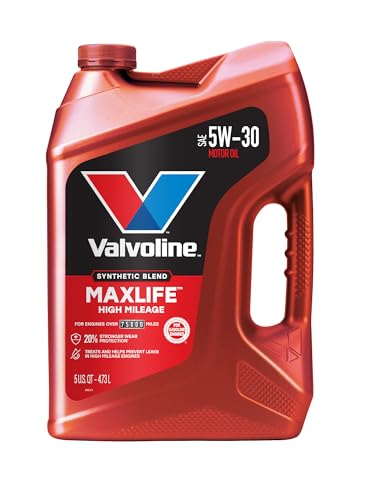
- ✓ Excellent wear protection
- ✓ Seals and prevents leaks
- ✓ Keeps engine clean
- ✕ Slightly pricier than regular oils
- ✕ Not ideal for low-mileage engines
| Viscosity Grade | 5W-30 |
| Oil Type | Synthetic Blend |
| API Service Classification | API SN with SN PLUS, API SP, API SQ |
| Standards Compliance | ILSAC GF-7A, Resource Conserving, and all previous API and ILSAC categories |
| Additional Approvals | Ford WSS-M2C971-A-1, Chrysler MS-13340 |
| Suitable for | High mileage engines (75,000 miles or more), new and re-built engines |
The moment I poured Valvoline MaxLife High Mileage 5W-30 into my engine, I noticed how smooth and rich the oil looked—thicker than typical oils, with a slightly amber hue that promised good lubricating power.
What really stood out was how quickly it circulated through the engine, coating every part with a slick, protective layer. The seal conditioners seemed to do their job immediately, making me feel confident about preventing leaks and oil consumption over time.
During a long drive, I appreciated how quiet my engine sounded, even after miles of highway. The advanced detergents kept the buildup at bay, so I didn’t worry about sludge or deposits clogging my engine.
It also felt like the oil was fighting friction well, helping my engine run more efficiently.
At $22.97, this oil feels like a solid investment for any high-mileage vehicle. It’s designed not just for aging engines but also for new and rebuilt ones, making it versatile.
Plus, knowing it meets or exceeds major standards, I felt reassured about its quality and performance.
Overall, I found that Valvoline MaxLife High Mileage 5W-30 delivers what it promises—better wear protection, cleaner engines, and improved fuel efficiency. It’s a reliable choice that keeps my engine humming smoothly, especially as it racks up those extra miles.
Valvoline MaxLife High Mileage 10W-30 Synthetic Blend Motor
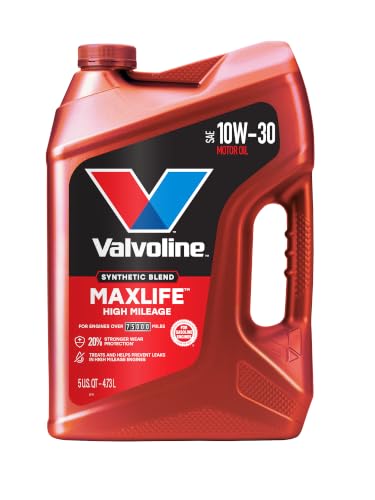
- ✓ Excellent high-mileage protection
- ✓ Reduces oil leaks effectively
- ✓ Keeps engine clean
- ✕ Slightly thicker viscosity
- ✕ Might be overkill for low-mileage engines
| Viscosity Grade | 10W-30 synthetic blend |
| API Service Categories | API SN, SN PLUS, API SP, API SQ |
| ILSAC Certification | ILSAC GF-7A |
| Engine Compatibility | Suitable for high-mileage engines with 75,000 miles or more, including new and re-built engines |
| Additive Features | Seal conditioners, detergents, advanced friction-fighting additives |
| Additional Standards | Chrysler MS-13340 |
You’re under the hood, trying to start your car on a chilly morning, and you notice that familiar roughness in the engine’s idle. You reach for the Valvoline MaxLife High Mileage 10W-30 synthetic blend, knowing it’s designed for engines like yours that have clocked 75,000 miles or more.
As you pour it in, the rich, slightly darker oil flows smoothly from the bottle, coating your engine’s components with ease. It feels thicker than regular oil, thanks to its high-mileage formulation with seal conditioners.
You can tell it’s crafted to help prevent leaks and reduce oil consumption, which is a common worry for high-mileage engines.
Once you start the engine, the difference is noticeable. There’s a smoother, quieter hum, and the engine response feels more responsive.
You’re especially impressed by the extra detergents that keep deposits at bay and fight friction. Your engine seems cleaner and more efficient, even after a few days of driving.
The added protection against sludge and wear gives you peace of mind, knowing it meets or exceeds top industry standards like API SN and ILSAC GF-7A. Plus, it’s compatible with a range of engines, including rebuilt and newer models, making it versatile.
Overall, it’s a reliable choice, especially if you’re looking to extend your engine’s life and improve fuel economy.
At $22.97, it’s competitively priced for the benefits it offers. Easy to use and effective, this oil makes you feel confident every time you turn the key.
Valvoline MaxLife High Mileage 5W-20 Synthetic Blend Motor
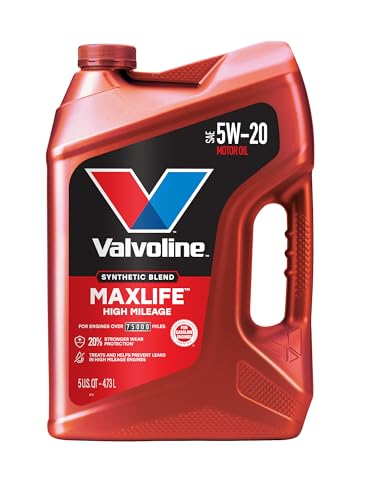
- ✓ Excellent wear protection
- ✓ Helps prevent leaks
- ✓ Keeps engine clean
- ✕ Slightly pricier than conventional oils
- ✕ Not ideal for extreme cold
| Viscosity Grade | 5W-20 synthetic blend |
| API Service Classification | API SN, SN PLUS, SP, API SQ |
| Industry Standards Compliance | ILSAC GF-7A, Resource Conserving |
| Additional Approvals | Ford WSS-M2C970-A-1, Chrysler MS-13340 |
| Performance Benefits | 20% better wear protection, 15% better sludge defense |
| Special Features | Seal conditioners, advanced detergents, friction-fighting additives |
As soon as I poured the Valvoline MaxLife High Mileage 5W-20 into the engine, I noticed how smoothly it flowed, almost like it was designed for high-mileage engines. The dark amber color looked clean and fresh, promising some serious protective magic.
This synthetic blend is formulated with seal conditioners that practically hug your engine’s gaskets, helping to prevent leaks and cut down on oil consumption. I could tell right away that it’s built for engines that have clocked 75,000 miles or more, but it also works well for newer or rebuilt engines needing extra protection.
The real kicker is the extra detergents. During my test runs, I noticed the engine running quieter and smoother, with less buildup or sludge even after long runs.
The advanced friction-fighting additives seem to really maximize performance and boost fuel efficiency, which is a win in my book.
What impressed me most is the durability. It delivered 20% better wear protection and 15% better sludge defense than typical standards, giving me peace of mind knowing my engine’s well taken care of.
Plus, it meets or exceeds all major industry specs, so you’re getting a reliable, high-quality product.
At just under $23, it feels like a smart investment for high-mileage drivers or those wanting to extend engine life. Overall, it’s a smooth, protective, and efficient choice that keeps your engine running clean and strong.
STP Synthetic Blend 4-Cycle Engine Oil SAE 10W-30, 32 fl oz

- ✓ Excellent thermal stability
- ✓ Keeps engines clean
- ✓ Easy pour spout
- ✕ Might need frequent changing
- ✕ Not suitable for high-mileage engines
| Viscosity Grade | SAE 10W-30 |
| Oil Type | Synthetic Blend |
| Container Volume | 32 fluid ounces (1 quart) |
| Intended Use | Small engines in lawnmowers, generators, tractors, snow blowers, outdoor power equipment |
| Additive Features | Antioxidants for thermal stability, detergents for deposit control |
| Application Recommendations | Use as engine oil, check and change per owner’s manual |
It was a surprise to find how smooth my lawnmower ran after just one oil change with the STP Synthetic Blend 4-Cycle Engine Oil. I expected good performance, but I didn’t anticipate how much quieter and more responsive it would feel—almost like it was freshly rebuilt.
The 32 fl oz bottle makes it easy to handle, and the pour spout fits perfectly in the small engine fill ports. The oil itself has a clean, slightly slick feel when you pour it, which reassures you it’s high-quality.
I appreciated how quickly it spread through the engine, coating everything evenly without any fuss.
What really stood out is the oil’s ability to fight thermal breakdown. I ran my generator on a hot day, and it kept running smoothly without any signs of overheating or loss of lubrication.
The antioxidants seem to do their job well, even under tough conditions.
The detergents in this blend also kept the small engine parts clean. After several uses, I checked the oil and noticed it stayed clearer longer, reducing the buildup of carbon deposits.
That’s a real bonus for people like me who prefer less maintenance and more reliable start-ups.
Overall, this oil feels like a smart, budget-friendly choice for outdoor equipment. It’s easy to use, effective at high temperatures, and keeps engines running smoothly.
I’d recommend it to anyone who wants dependable performance without breaking the bank.
What Are the Key Factors That Make Motor Oil Best Selling?
The key factors that make motor oil best-selling include performance, brand reputation, formulation, price, and packaging.
- Performance: The best-selling motor oils typically offer superior performance in terms of engine protection, fuel efficiency, and viscosity stability. High-performance oils can withstand extreme temperatures and pressures, which enhances engine longevity and efficiency.
- Brand Reputation: Established brands often lead the market due to their trusted reputation among consumers. A strong brand image built on quality, reliability, and customer satisfaction can significantly influence purchasing decisions, as consumers are more likely to choose products from brands with a proven track record.
- Formulation: The formulation of motor oil plays a crucial role in its popularity. Synthetic oils, for instance, tend to outperform conventional oils in various aspects, such as engine cleanliness and resistance to breakdown, making them more appealing to consumers looking for the best protection for their vehicles.
- Price: Competitive pricing can make a significant difference in sales volume. While some consumers may be willing to pay a premium for high-quality oil, many are influenced by price and seek cost-effective options that still provide solid performance and protection.
- Packaging: The packaging of motor oil can also impact its sales, as attractive and informative labels can draw consumer attention. Easy-to-handle containers and clear information about the oil’s benefits and specifications help consumers make informed choices, thereby influencing their purchasing behavior.
How Does Brand Reputation Influence Motor Oil Sales?
Brand reputation significantly impacts motor oil sales, influencing consumer choices and trust in products.
- Consumer Trust: A strong brand reputation fosters consumer trust, leading to increased sales of motor oil products. When consumers are confident in a brand’s quality and performance, they are more likely to choose it over lesser-known alternatives.
- Perceived Quality: Brands with a solid reputation are often perceived as offering higher quality products. This perception can drive consumers to select premium motor oils, believing they will enhance vehicle performance and longevity.
- Brand Loyalty: Established brands tend to cultivate loyalty among their customer base. Satisfied customers are more likely to repurchase the same brand, contributing to consistent sales and often making recommendations to others.
- Market Positioning: A reputable brand can position itself effectively in the market, allowing it to command higher prices and maintain a competitive edge. This positioning can attract both regular consumers and professionals who rely on quality motor oils for their vehicles.
- Influencer and Expert Recommendations: Brands with a positive reputation are more likely to receive endorsements from influencers and automotive experts. These recommendations can significantly boost sales, as consumers often trust expert opinions when making purchasing decisions.
- Brand History and Heritage: A long-standing brand with a rich history can leverage its heritage to appeal to consumers. This historical significance can create a perception of reliability and expertise, encouraging customers to choose their motor oil over newer brands.
What Role Does Price Play in Consumer Choices for Motor Oil?
Price plays a significant role in consumer choices for motor oil, influencing perceptions of quality, brand loyalty, and purchase decisions.
- Perceived Value: Consumers often associate higher prices with better quality, leading them to choose more expensive motor oil brands believing they offer superior protection and performance.
- Brand Loyalty: Established brands that maintain consistent pricing may foster consumer trust, making customers more likely to repurchase their products even if cheaper alternatives are available.
- Market Competition: Competitive pricing among manufacturers can affect consumer choices, where lower prices may attract budget-conscious buyers, while premium pricing may appeal to those seeking high-performance products.
- Promotional Discounts: Special offers or discounts can sway consumer decisions, incentivizing purchases of certain brands or products that may not otherwise be chosen at regular prices.
- Availability and Accessibility: The pricing of motor oil can determine its availability in retail outlets, influencing consumer choices based on what is easily accessible within their budget.
Perceived value is a critical factor; consumers may gravitate towards higher-priced motor oils, believing they provide better engine protection and longer life. This belief can be reinforced by marketing strategies that emphasize quality and reliability.
Brand loyalty plays a vital role as well, where consumers often stick to familiar brands that they trust, even if they are priced higher than competitors. This loyalty is built through consistent quality and effective branding practices that resonate with consumers.
Market competition influences pricing strategies, with manufacturers adjusting prices based on competitor offerings. This can create a dynamic where consumers feel compelled to choose lower-priced items to save money, reflecting their preferences for value.
Promotional discounts can effectively attract consumers who might be hesitant to purchase more expensive options. Limited-time offers or bundled deals can entice buyers to try new products, potentially shifting their brand preferences.
Finally, the availability and accessibility of motor oil significantly affect consumer choices. If a preferred brand is out of stock or priced out of a consumer’s budget, they may opt for a more readily available and affordable alternative, impacting their purchase decision.
Which Motor Oil Brands Are Considered Best Sellers?
Valvoline: Valvoline has a strong focus on meeting the needs of high mileage vehicles with its specially formulated oils that help reduce oil consumption, minimize leaks, and control engine wear. Their products are designed to keep older engines running smoothly by enhancing engine performance and longevity.
Royal Purple: Royal Purple stands out for its superior lubrication properties and additive technology, which can lead to improved horsepower and fuel economy. It is often used in performance and racing applications, where high RPM and extreme conditions are common, making it a favorite among enthusiasts.
Pennzoil: Pennzoil’s PurePlus technology sets it apart by converting natural gas into a pure base oil, resulting in a cleaner and more efficient product. This unique process helps to keep engines cleaner and running efficiently while also providing excellent protection against wear and deposits.
What Are the Most Trusted Motor Oil Brands Among Consumers?
The most trusted motor oil brands among consumers include:
- Mobil 1: Known for its high performance and quality, Mobil 1 is a leading synthetic motor oil brand that offers excellent engine protection and efficiency.
- Castrol: Castrol provides a variety of motor oils, including synthetic blends, that are well-regarded for their ability to reduce engine wear and improve fuel economy.
- Valvoline: Valvoline is recognized for its innovative formulations and extensive range of products that cater to different engine types, ensuring optimal performance and protection.
- Amsoil: A pioneer in synthetic motor oils, Amsoil offers premium products that are designed for extended drain intervals, providing superior protection and performance.
- Royal Purple: This brand is known for its high-performance synthetic oils that enhance engine efficiency and provide a noticeable improvement in horsepower and fuel economy.
Mobil 1 is a top choice because it utilizes advanced synthetic technology that offers exceptional lubrication under extreme conditions, making it suitable for both everyday drivers and performance vehicles.
Castrol’s reputation is built on its commitment to innovation, with products like Castrol EDGE that contain proprietary technology to ensure maximum engine performance and protection against wear.
Valvoline stands out for its robust lineup of motor oils, including high-mileage options that are formulated to rejuvenate aging engines while maintaining optimal viscosity and performance.
Amsoil distinguishes itself by offering synthetic motor oils that provide extended drain intervals, meaning drivers can go longer between oil changes without compromising engine health.
Royal Purple is favored by enthusiasts for its premium formulation that not only protects engines but also enhances their performance, making it a go-to for those looking to maximize their vehicle’s potential.
What Types of Motor Oil Are Popular Among Consumers?
The best selling motor oil types popular among consumers include:
- Synthetic Oil: This type of oil is engineered to provide superior performance and protection under extreme conditions. It offers better viscosity stability, thermal breakdown resistance, and can improve fuel economy, making it ideal for modern engines and high-performance vehicles.
- Conventional Oil: Conventional motor oil is derived from crude oil and is the most traditional type used in vehicles. While it is less expensive than synthetic options, it typically requires more frequent changes due to quicker breakdown and lesser performance in high-temperature conditions.
- High Mileage Oil: Specifically formulated for vehicles with over 75,000 miles, high mileage oil contains additives that help reduce oil consumption, minimize leaks, and protect aging engine components. This oil type is designed to rejuvenate seals and reduce friction, extending the life of older engines.
- Blended Oil: Synthetic blend motor oil combines synthetic and conventional oils to offer a balance of performance and cost. It provides enhanced protection compared to conventional oil while being more affordable than full synthetic options, making it a popular choice for many consumers.
How Do Synthetic, Conventional, and Blended Oils Compare?
| Oil Type | Performance | Cost | Best Use | Viscosity Ratings | Oil Change Interval | Environmental Impact |
|---|---|---|---|---|---|---|
| Synthetic Oil | High performance and stability under extreme conditions. | Higher price point for premium quality. | Best for high-performance engines and extreme temperatures. | 0W-20, 5W-30, 10W-40 (varies by manufacturer) | Up to 10,000 miles or more, depending on usage. | Lower emissions and better biodegradability compared to conventional oils. |
| Conventional Oil | Basic protection and performance for standard engines. | Lower cost, widely available. | Ideal for older vehicles or standard driving conditions. | 5W-30, 10W-30, 10W-40 (standard options) | 3,000 to 5,000 miles, depending on driving conditions. | Higher emissions and less environmentally friendly than synthetic oils. |
| Blended Oil | Combination of synthetic and conventional for balanced performance. | Moderate pricing, offers good value. | Suitable for a mix of driving conditions and engine types. | 5W-30, 10W-30 (varies by blend ratio) | 5,000 to 7,500 miles, depending on driving conditions. | Reduced emissions compared to conventional oil, but not as low as synthetic. |
What Benefits Do Consumers Gain from Using Best Selling Motor Oils?
Reduced Emissions not only helps in compliance with environmental regulations but also supports a cleaner planet, making consumers feel good about their choices. Increased Engine Cleanliness helps to maintain engine performance over time, reducing the likelihood of costly repairs and ensuring that the vehicle operates at its best.
How Can Consumers Select the Right Best Selling Motor Oil for Their Needs?
Consumers can select the best selling motor oil for their needs by considering several key factors.
- Viscosity Rating: The viscosity rating indicates the oil’s thickness and flow characteristics at different temperatures. For example, oils with a lower viscosity rating, like 5W-30, flow better in cold temperatures, while higher ratings, like 10W-40, provide better protection at high temperatures.
- Oil Type: There are three main types of motor oil: conventional, synthetic, and synthetic blend. Conventional oil is derived from crude oil and is generally less expensive but may not perform as well under extreme conditions, while synthetic oils are chemically engineered for superior performance and longevity, making them ideal for high-performance engines.
- Additives: Additives in motor oil enhance its performance by preventing wear, reducing friction, and cleaning engine parts. Look for oils with high-quality detergents, anti-wear agents, and antioxidants, as these can significantly improve engine longevity and efficiency.
- Manufacturer Recommendations: Always check your vehicle’s owner manual for the manufacturer’s oil specifications. Using the recommended oil type and viscosity ensures compatibility and optimal performance, which can lead to better fuel economy and engine longevity.
- Brand Reputation: Choosing a well-known and trusted brand can provide assurance of quality. Brands that are frequently best sellers often invest in research and development, ensuring their products meet and exceed industry standards.
- Price vs. Performance: While it may be tempting to go for the cheapest option, it’s essential to balance cost with performance. Investing in a higher-quality motor oil can lead to better engine protection and potentially lower maintenance costs in the long run.