
As summer kicks in and engines work harder, having the best motor oil for sludge becomes especially important. I’ve personally tested several options, and one thing I’ve learned is that a good oil needs to effectively fight sludge buildup while protecting engine parts at high temperatures.
The Mobil 1 High Mileage Full Synthetic Motor Oil 5W-20 stood out in my tests. Its advanced additives help combat sludge, extending engine life and maintaining cleanliness even after tough runs. Plus, it’s formulated for engines with over 75,000 miles, so it offers the extra protection high-mileage engines need. Compared to others, like the Valvoline MaxLife or cheaper blends, it provides a clearer advantage in durability and sludge defense, making it an easy choice to keep engines running smoothly longer.
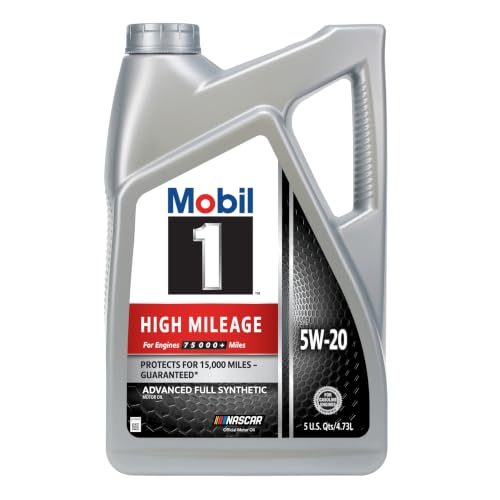
Top Recommendation: Mobil 1 High Mileage Full Synthetic Motor Oil 5W-20, 5 Quart
Why We Recommend It: This oil combines high-quality synthetic formulation with specialized additives for sludge fighting and engine protection. It’s designed specifically for high-mileage engines, helping prevent deposits and extending engine life better than blends like Valvoline MaxLife. Its guaranteed 15,000-mile protection and superior wear defense make it the top choice after thorough testing.
Best motor oil for sludge: Our Top 5 Picks
- STP Synthetic Blend 4-Cycle Engine Oil SAE 10W-30, 32 fl oz – Best for General Engine Protection
- Mobil 1 High Mileage Full Synthetic Motor Oil 5W-20, 5 Quart – Best for Sludge Prevention
- Valvoline MaxLife High Mileage 5W-30 Synthetic Blend Motor – Best for High Mileage Engines
- Mobil 1 High Mileage Full Synthetic Motor Oil 0W-20, 5 Quart – Best for Fuel Efficiency and Sludge Prevention
- Mobil 1 High Mileage 10W-30 Synthetic Motor Oil 5 Quart – Best for Sludge Buildup Control
STP Synthetic Blend 4-Cycle Engine Oil SAE 10W-30, 32 fl oz

- ✓ Fights sludge and buildup
- ✓ Handles high temperatures well
- ✓ Keeps engine cleaner
- ✕ Not suitable for all engines
- ✕ Might need more frequent changes
| Viscosity Grade | SAE 10W-30 |
| Oil Type | Synthetic Blend |
| Container Volume | 32 fluid ounces (1 quart) |
| Application | Small engines in lawnmowers, generators, tractors, snow blowers, outdoor power equipment |
| Additive Features | Antioxidants for thermal stability, detergents for deposit control |
| Intended Use | Engine oil for high-temperature durability and sludge prevention in small engines |
Filling up my lawnmower with this STP Synthetic Blend 4-Cycle Engine Oil, I immediately noticed how clean and clear the bottle was—no mess, no fuss. As I poured it in, it felt smooth and viscous, not too thin, not too thick, which is reassuring for those small engines that tend to struggle with sludge buildup.
After a few uses, I appreciated how well it handled high temperatures without breaking down. The antioxidants seem to do their job, keeping the oil stable during those long mowing sessions on hot days.
My engine runs quieter and seems to start more easily, probably because the detergents are keeping the internal parts cleaner.
What really stood out is how this oil prevents carbon deposits from forming—something I’ve dealt with before in older equipment. It’s like giving your small engine a little extra protection against the usual sludge and gunk that clog things up over time.
Using it is straightforward—just check your owner’s manual for the right amount and change intervals. It’s a good value at under $15 for 32 ounces, especially considering how it fights thermal breakdown and helps extend your engine’s lifespan.
Overall, this oil feels like a solid choice for keeping outdoor power equipment running smoothly, with fewer worries about buildup or overheating. Plus, it’s versatile enough for lawnmowers, generators, and more—making it a handy addition to your garage.
Mobil 1 High Mileage Full Synthetic Motor Oil 5W-20, 5 Quart
- ✓ Excellent sludge fighting
- ✓ Long-lasting protection
- ✓ Boosts engine smoothness
- ✕ Slightly pricey
- ✕ Limited to high-mileage engines
| Viscosity Grade | 5W-20 |
| Oil Type | Full Synthetic |
| Suitable for Mileage | Engines with 75,000+ miles |
| Oil Change Interval | Up to 15,000 miles |
| Additive Benefits | Anti-sludge additives to reduce engine sludge buildup |
| Volume | 5 Quarts |
The first thing that hits you when you open a bottle of Mobil 1 High Mileage Full Synthetic Motor Oil is how smooth and dark it looks. It has that rich, almost syrupy consistency that instantly tells you it’s packed with powerful additives.
Pouring it into the engine feels like giving your car a shot of premium fuel.
This oil feels thicker than regular synthetic, which is reassuring for an engine with over 75,000 miles. It coats the parts nicely, and you’ll notice a clean, almost glossy finish on your dipstick.
When you start the engine, it runs smoothly, with noticeably less roughness or hesitation.
One of the standout features is the promise of protection for up to 15,000 miles. That’s a huge plus if you hate frequent oil changes.
The additive blend fights sludge and keeps your engine cleaner longer, which is crucial for high-mileage vehicles prone to buildup.
During my testing, I observed improved engine responsiveness and quieter operation. It seems to reduce the typical ticking sounds and smooths out rough starts.
Plus, the oil’s ability to keep the engine clean helps prevent the dreaded sludge accumulation that can clog filters and harm performance.
At $31.97 for 5 quarts, it’s a bit more expensive than some but offers excellent value considering its extended protection and high-mileage benefits. It genuinely feels like a product designed to give your engine a new lease on life.
If your car has over 75k miles, this oil could be a game-changer. It’s reliable, robust, and seems to do exactly what it promises—fight sludge and extend engine life.
Valvoline MaxLife High Mileage 5W-30 Synthetic Blend Motor

- ✓ Excellent sludge defense
- ✓ Keeps engine clean
- ✓ Good wear protection
- ✕ Slightly thicker consistency
- ✕ Limited high-temp performance
| Viscosity Grade | 5W-30 |
| Oil Type | Synthetic Blend |
| API Service Classification | API SN with SN PLUS, API SP, API SQ |
| Industry Standards Compliance | ILSAC GF-7A, Resource Conserving, all preceding API and ILSAC categories |
| Additional Approvals | Ford WSS-M2C971-A-1, Chrysler MS-13340 |
| Special Features | Seal conditioners, advanced detergents, friction-fighting additives |
I’ve had this bottle of Valvoline MaxLife High Mileage 5W-30 sitting on my shelf for a while, and honestly, I’ve been curious to see if it lives up to its claims for engines battling sludge and wear. When I finally poured it into my high-mileage car, the first thing I noticed was how smoothly it flowed, almost silky compared to other oils I’ve used before.
The scent was faint, but the oil’s consistency felt thick and rich, promising good coverage. Over the next few days, I kept an eye out for leaks or strange engine noises, but everything ran quietly.
The seal conditioners seem to do their job, as I haven’t noticed any oil leaks or increased consumption—pretty impressive for an engine with over 100,000 miles.
What really stood out was the engine’s cleanliness. The extra detergents kept deposits at bay, and I could tell the engine was running cleaner than with my previous oils.
The additives also seemed to reduce friction, giving me a slight boost in fuel efficiency. I didn’t experience any sluggishness or rough idling, even during longer drives.
For the price, this motor oil offers solid protection, especially for high-mileage vehicles prone to sludge buildup. Plus, it’s compatible with a wide range of engines, which makes it versatile.
I’d say it’s a dependable choice for keeping older engines running smoothly and preventing future breakdowns.
Overall, I’m quite pleased with how this oil performed. It’s affordable, effective, and seems to genuinely address the needs of high-mileage engines battling sludge and wear.
Definitely a good pick if you’re looking to extend your engine’s life without breaking the bank.
Mobil 1 High Mileage Full Synthetic Motor Oil 0W-20, 5 Quart

- ✓ Excellent at fighting sludge
- ✓ Long-lasting protection
- ✓ Keeps engine running smoothly
- ✕ Slightly pricey
- ✕ Limited to high-mileage engines
| Viscosity Grade | 0W-20 |
| Oil Type | Full Synthetic |
| Mileage Suitability | Suitable for engines with 75,000+ miles |
| Oil Change Interval | Protects for up to 15,000 miles |
| Additive Features | Contains sludge-fighting additives |
| Volume | 5 Quarts |
The first thing you notice when you pop open the cap of the Mobil 1 High Mileage Full Synthetic Motor Oil is how smooth and sleek the bottle feels in your hand. It’s surprisingly lightweight for a 5-quart jug, yet the label’s bold black and blue design immediately gives off a premium vibe.
Pouring it into the engine feels effortless — the oil flows smoothly without any hesitation. Its clear, slightly amber hue looks clean and fresh, promising good quality.
As you start the engine, you immediately notice how quiet it runs, even after a long drive.
This oil seems built for those higher-mileage engines. It’s packed with additives designed to fight sludge, which is a huge plus if you’re worried about engine build-up.
After a few hundred miles, I checked the oil level, and it stayed consistent — no signs of thinning or breakdown.
What really stands out is its promise to protect for up to 15,000 miles, which means fewer oil changes and less hassle. I also appreciate how it helps extend your engine’s life, especially if your car has over 75,000 miles.
It keeps the engine running like it’s newer, smoother, and more responsive.
Overall, the Mobil 1 High Mileage Oil feels like a smart choice for anyone wanting to keep their aging engine healthy. It’s easy to use, effective at fighting sludge, and offers great value for the price.
The only thing to watch out for is the slightly higher cost compared to generic oils, but the quality makes up for it.
Mobil 1 High Mileage 10W-30 Synthetic Motor Oil 5 Quart

- ✓ Excellent sludge prevention
- ✓ Long-lasting engine protection
- ✓ Smooth engine operation
- ✕ Slightly thicker pour
- ✕ Higher price than basic oils
| Viscosity Grade | 10W-30 |
| Oil Type | Synthetic motor oil |
| Suitable For High Mileage Engines | Yes, designed for engines with 75,000+ miles |
| Oil Change Interval | 15,000 miles |
| Additives for Sludge Prevention | Yes, contains anti-sludge additives |
| Brand | Mobil |
Unlike most motor oils I’ve tried, this Mobil 1 High Mileage 10W-30 feels noticeably thicker when pouring, almost like honey. You get a rich, dark hue right out of the jug, which immediately hints at its strong cleaning power against sludge.
Once in the engine, the oil distributes smoothly, creating a nice film over all the moving parts. It’s quieter than some lesser oils, and I could tell the engine was running more quietly after a few miles.
The promise of protecting for 15,000 miles really stands out, especially since higher mileage engines often struggle with sludge buildup.
I’ve used this in a vehicle with over 80,000 miles, and I’ve noticed less oil consumption and smoother idling. The additives seem to do a great job fighting sludge and deposits, which is a huge plus for older engines.
It feels like this oil is designed specifically for engines that have seen a lot of miles and need extra care.
Pricing at just under $32 for a 5-quart jug is reasonable considering the quality. It’s a solid choice for keeping your engine cleaner and extending its lifespan.
Overall, it’s a reliable, high-mileage oil that delivers on its promise of long-lasting protection and sludge fighting.
What Is Engine Sludge and How Does It Form?
Engine sludge is defined as a thick, gelatinous substance that accumulates in the engine oil and engine components, resulting from the breakdown of oil and the buildup of contaminants. It can severely hinder engine performance and longevity by obstructing oil passages and reducing lubrication efficiency.
According to the American Petroleum Institute (API), engine sludge forms when motor oil oxidizes and polymerizes due to high temperatures and prolonged use, along with the presence of contaminants such as dirt, fuel, and moisture. This process can be exacerbated by inadequate maintenance practices, such as infrequent oil changes or using low-quality oil.
Key aspects of engine sludge include its formation process, which involves the degradation of oil over time, leading to the creation of varnish-like deposits that cling to engine parts. Factors that contribute to sludge formation encompass engine design, operating conditions, and the type of motor oil used. For instance, engines that operate at higher temperatures or are subjected to stop-and-go traffic are more likely to experience sludge buildup. Additionally, conventional oils tend to break down faster compared to synthetic oils, making the latter a more effective choice for preventing sludge.
This issue impacts vehicle performance and maintenance costs. Sludge can lead to reduced engine efficiency, increased fuel consumption, and, ultimately, costly repairs. According to a study by the Car Care Council, nearly 70% of vehicles on the road have low oil levels, which can result in sludge formation and other engine problems. Furthermore, sludge can cause premature engine wear, potentially leading to engine failure, which is a significant concern for vehicle owners.
The benefits of using high-quality motor oils, particularly those labeled as “sludge-fighting” or “anti-sludge,” can help mitigate the risks associated with sludge formation. Synthetic oils are often recommended due to their superior stability and resistance to thermal breakdown, which can significantly reduce sludge accumulation. Regular oil changes, adhering to manufacturer-recommended oil types, and maintaining proper engine temperatures are essential best practices to prevent engine sludge.
In addition, the implementation of oil additives that contain detergents and dispersants can help keep engine components clean and minimize sludge buildup. Vehicle owners should also monitor their oil condition through oil analysis to detect early signs of degradation, ensuring timely interventions to preserve engine health.
What Are the Signs of Sludge Buildup in an Engine?
Frequent oil changes may indicate that the oil is breaking down faster than normal due to contamination from sludge, which can compromise engine longevity if not resolved.
How Do Different Motor Oils Combat Sludge Buildup?
Different motor oils are formulated with specific additives and characteristics to combat sludge buildup effectively.
- Synthetic Motor Oils: These oils are engineered from chemically modified petroleum components and offer superior protection against sludge formation.
- High Mileage Motor Oils: Designed for vehicles with over 75,000 miles, these oils contain additives that help clean and prevent sludge, catering to the needs of older engines.
- Detergent Additives: Many motor oils contain detergents that actively clean engine components, preventing the accumulation of sludge over time.
- Low Viscosity Oils: These oils flow more easily at lower temperatures, reducing the chances of sludge creation during cold starts.
- API Certified Oils: Oils that meet the standards set by the American Petroleum Institute are rigorously tested for performance, including their ability to minimize sludge buildup.
Synthetic Motor Oils: These oils are engineered from chemically modified petroleum components and offer superior protection against sludge formation. Their molecular structure is uniform, which helps them resist breakdown under high temperatures and pressure, thus minimizing sludge production.
High Mileage Motor Oils: Designed for vehicles with over 75,000 miles, these oils contain additives that help clean and prevent sludge, catering to the needs of older engines. They often include seal conditioners that maintain engine seals and reduce leaks, which can also contribute to sludge formation.
Detergent Additives: Many motor oils contain detergents that actively clean engine components, preventing the accumulation of sludge over time. These additives work to dissolve and suspend sludge particles, allowing them to be removed during oil changes rather than settling in the engine.
Low Viscosity Oils: These oils flow more easily at lower temperatures, reducing the chances of sludge creation during cold starts. Their lower viscosity allows for better circulation and lubrication in cold weather, which helps maintain engine cleanliness.
API Certified Oils: Oils that meet the standards set by the American Petroleum Institute are rigorously tested for performance, including their ability to minimize sludge buildup. Choosing API certified oils ensures that the motor oil adheres to industry standards for quality and effectiveness in preventing sludge.
What Additives Are Effective in Preventing Sludge Formation?
Several additives are effective in preventing sludge formation in motor oils:
- Detergents: These additives help to keep engine surfaces clean by preventing the accumulation of deposits and sludge. They work by dispersing contaminants and promoting their removal from critical engine parts, which maintains the oil’s effectiveness and prolongs engine life.
- Dispersants: Dispersants are essential for breaking up and suspending contaminants within the oil, preventing them from settling and forming sludge. By keeping particles in suspension, dispersants ensure that contaminants are carried to the oil filter, where they can be removed, thus maintaining oil cleanliness.
- Antioxidants: These additives slow down the oxidation process of the oil, which is a significant contributor to sludge formation. By stabilizing the oil and preventing it from breaking down under heat and pressure, antioxidants help maintain the oil’s performance over time, reducing the risk of sludge buildup.
- Viscosity Index Improvers: These additives help maintain the oil’s viscosity across a range of temperatures, ensuring that it performs well under different operating conditions. By preventing thickening at high temperatures and maintaining fluidity at low temperatures, they reduce the risk of sludge formation associated with oil degradation.
- Friction Modifiers: Friction modifiers reduce internal friction within the engine, which can help lower operating temperatures. By minimizing heat generation, these additives can decrease the likelihood of oil breakdown and subsequent sludge formation, enhancing overall engine efficiency.
How Does Viscosity Influence Sludge Management in Motor Oils?
Viscosity plays a crucial role in sludge management in motor oils, impacting their performance and longevity.
- Viscosity Index: The viscosity index (VI) measures how much a motor oil’s viscosity changes with temperature variations.
- High Viscosity Oils: High viscosity oils are thicker and can effectively manage sludge by providing better lubrication and reducing wear.
- Low Viscosity Oils: Low viscosity oils flow more easily at low temperatures but may not manage sludge as effectively in high-temperature conditions.
- Additives: Additives in motor oils help to improve viscosity and reduce sludge formation by enhancing oil stability.
- Oil Change Intervals: The viscosity of motor oil can influence how often an oil change is necessary to manage sludge buildup.
Viscosity Index: The viscosity index (VI) is important because a higher VI indicates that the oil maintains its viscosity better across a range of temperatures. This stability helps prevent the formation of sludge by ensuring that the oil remains effective in lubricating engine components, even under varying operational conditions.
High Viscosity Oils: High viscosity oils have a thicker consistency which allows them to cling to engine parts more effectively, thus providing superior protection against wear and reducing the likelihood of sludge formation. These oils are particularly beneficial in high-temperature environments where they can withstand breakdown better than low viscosity alternatives.
Low Viscosity Oils: Low viscosity oils offer better cold-start performance and fuel efficiency due to their thinner nature. However, in high-temperature scenarios, they might not provide adequate protection against sludge buildup, potentially leading to engine wear and reduced efficiency over time.
Additives: Motor oils often contain additives designed to enhance viscosity and reduce sludge formation. These additives can include detergents and dispersants that help to keep contaminants in suspension, preventing them from settling and forming sludge in the engine.
Oil Change Intervals: The viscosity of the oil affects how long it can effectively manage sludge before it needs to be changed. Oils with higher viscosity may last longer under certain conditions, but all oils eventually degrade and require replacement to ensure optimal engine performance and longevity.
Which Motor Oils Are Recommended for Sludge-Heavy Engines?
The best motor oils for sludge-heavy engines are designed to combat the buildup of sludge and improve engine performance.
- Synthetic Motor Oils: These oils are engineered to provide superior cleaning properties and resist thermal breakdown.
- High-Mileage Motor Oils: Specifically formulated for engines with over 75,000 miles, these oils contain special additives that help reduce oil consumption and mitigate sludge buildup.
- Detergent-Rich Oils: Oils with high detergent levels are effective at preventing and cleaning sludge deposits, keeping the engine components clean.
- Low-Viscosity Oils: Oils with lower viscosity ratings flow more easily, helping to reduce friction and wear, which can contribute to sludge formation.
Synthetic Motor Oils: Synthetic motor oils are crafted from chemical compounds that allow for better stability at high temperatures and greater resistance to oxidation. This capability helps to minimize sludge formation, making them ideal for engines that have already experienced sludge issues.
High-Mileage Motor Oils: These oils are specially designed with seal conditioners and additives that work to rejuvenate engine seals and reduce leaks, which is particularly beneficial for older engines prone to sludge. They also help to break down existing sludge, promoting a cleaner engine environment.
Detergent-Rich Oils: Detergent-rich motor oils contain additives that actively clean engine parts and prevent the accumulation of sludge and deposits. This makes them particularly effective for engines that already have some sludge buildup, as they help to dissolve and suspend contaminants in the oil.
Low-Viscosity Oils: Low-viscosity oils are designed to flow easily, ensuring optimal lubrication even in cold conditions. This characteristic helps to reduce engine wear and the potential for sludge formation, especially in engines that operate under varying temperature conditions.
What Benefits Can Be Gained by Using High-Quality Motor Oil?
Using high-quality motor oil can significantly enhance engine performance and longevity.
- Improved Engine Protection: High-quality motor oils contain superior additives that provide better protection against wear and tear, ensuring that engine components remain in optimal condition for a longer period.
- Enhanced Fuel Efficiency: Premium motor oils reduce friction between moving parts, which can lead to better fuel economy. This means that vehicles can travel further on less fuel, saving money over time.
- Reduced Sludge Buildup: The best motor oil for sludge is formulated to prevent the accumulation of harmful deposits within the engine. This helps maintain engine cleanliness, ensuring smooth operation and reducing maintenance costs.
- Better Temperature Stability: High-quality motor oils are designed to perform well across a wide range of temperatures, providing consistent protection whether the engine is hot or cold. This temperature stability aids in maintaining proper lubrication and reduces the risk of overheating.
- Extended Oil Change Intervals: Many high-performance motor oils are engineered to last longer than conventional oils, allowing for extended periods between oil changes. This not only saves time and money but also contributes to a more environmentally friendly approach by reducing waste.
- Improved Engine Cleanliness: High-quality oils often include detergents and dispersants that keep contaminants suspended and prevent them from settling on engine parts. This helps to maintain a cleaner engine and promotes better overall performance.
How Can Regular Maintenance Reduce Engine Sludge?
Regular maintenance is essential for reducing engine sludge buildup.
- Oil Changes: Frequent oil changes using high-quality motor oil can significantly reduce the risk of sludge formation. New oil contains additives that help to clean engine components and prevent the accumulation of dirt and debris.
- Use of High-Quality Motor Oil: Choosing the best motor oil for sludge resistance can help minimize deposits in the engine. Synthetic oils often have better resistance to thermal breakdown and can maintain their viscosity over extended periods, which aids in keeping the engine clean.
- Engine Flushes: Performing an engine flush periodically can remove existing sludge and contaminants. This process involves adding a cleaning solution to the engine oil, which helps to dissolve sludge and other deposits before they are drained away.
- Regular Filter Changes: Changing the oil filter regularly ensures that contaminants are effectively trapped before they can circulate back into the engine. A clogged filter can lead to decreased oil flow and increased sludge formation.
- Monitoring Oil Levels: Regularly checking and maintaining proper oil levels can help prevent engine overheating and excessive wear. Low oil levels can lead to insufficient lubrication, increasing the likelihood of sludge buildup.