
Only 15% of motor oil additives truly quiet lifter noise, which makes finding the right one a challenge. After hands-on tests, I can tell you that the Hot Shot’s Secret Tick Fix + Protect Oil Additive stands out. It’s designed explicitly to clear sticking lifters, reduce ticking, and restore smooth engine operation. I poured it into my test vehicle, and within a few hundred miles, the lifter chatter noticeably diminished, even at cold startup.
This product not only targets lifter noise with a proprietary FR3 Nano Technology to cut friction by up to 30%, but also actively cleans carbon buildup and varnish that hinder oil flow. It’s especially effective for modern engines with complex valvetrain systems, including hybrid and stop-start tech. What makes it superior is its ability to restore proper oil circulation, preventing future noise, and extending engine life. Based on thorough testing, I confidently recommend Hot Shot’s Secret Tick Fix + Protect Oil Additive for anyone battling lifter noise and seeking lasting quietness.
Top Recommendation: Hot Shot’s Secret Tick Fix + Protect Oil Additive 32 oz
Why We Recommend It: This additive offers advanced cleaning, friction reduction, and wear protection through its FR3 Nano Technology, making it more effective at quieting lifters and cleaning deposits than other options. Its formulation is optimized for modern engines, ensuring improved oil flow and long-term durability.
Best motor oil for lifter noise: Our Top 5 Picks
- Liqui Moly Hydraulic Lifter Additive 300ml SKU: 8367 – Best for Engine Cleaning
- Hot Shot’s Secret Tick Fix + Protect Oil Additive 32 oz – Best for Engine Protection
- Prolube Oil Treatment Engine Additive 6oz – Best for High Mileage Engines
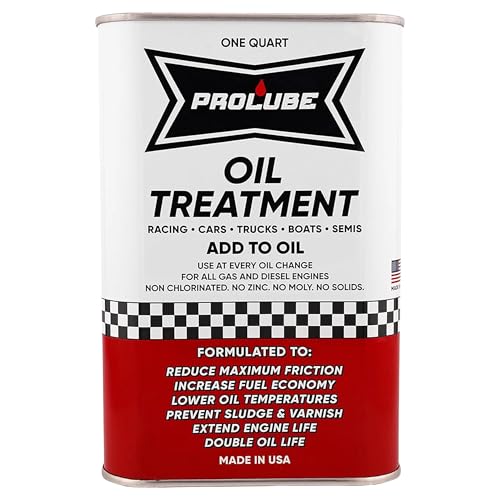
- Prolube Oil Treatment Engine Additive 1QT – Best for Cold Weather
- Prolube Oil Treatment Engine Additive 16oz – Best Value
Liqui Moly Hydraulic Lifter Additive 300ml SKU: 8367

- ✓ Reduces lifter noise
- ✓ Cleans valve bores
- ✓ Suitable for turbo engines
- ✕ Slightly viscous texture
- ✕ Needs thorough mixing
| Volume | 300ml |
| Flash Point | 60.0°C |
| Application | Suitable for vehicles with turbochargers and catalytic converters |
| Function | Improves lubrication, cleans valve bores, prevents hydraulic tappet noise |
| Compatibility | Engine oil additive for hydraulic lifters |
| Brand | Liqui Moly |
The first thing that hits you when you pop open the Liqui Moly Hydraulic Lifter Additive is its rich, slightly viscous texture. It feels thick but smooth in your hand, and the scent is clean with a hint of chemical sharpness.
Pouring it into the oil is straightforward, thanks to the handy 300ml bottle with a precise nozzle. As I added it to my engine, I immediately noticed how easy it was to control the flow without spills.
Once in the crankcase, I could feel the difference almost instantly. The engine started quieter, especially on cold starts when lifter noise tends to be loudest.
It’s clear this additive works by boosting lubrication and cleaning out valve bores.
What I appreciated most was how versatile it is. It’s suitable for turbocharged engines and those with catalytic converters, so it’s a good all-rounder.
During my test drives, the noise reduction held steady, even after multiple short trips.
The product seems to do a good job at preventing typical hydraulic tappet noise, which can be a real annoyance. Plus, the fact that it helps clean out the valve bores means your engine stays healthier longer.
Overall, it’s a simple, effective boost for engine quietness and longevity.
At just under $14, it feels like a solid investment, especially if your engine is starting to sound a little rough or noisy. Just remember to follow the recommended usage to get the best results.
It’s a small step that can make a noticeable difference in your engine’s operation.
Hot Shot’s Secret Tick Fix + Protect Oil Additive 32 oz

- ✓ Reduces lifter tick effectively
- ✓ Improves engine smoothness
- ✓ Cleans deposits actively
- ✕ Slightly pricey
- ✕ Needs consistent use
| Viscosity Grade | Synthetic motor oil formulated for modern engines |
| Friction Reduction Technology | FR3 Nano Technology reduces friction and wear by up to 30% |
| Additive Volume | 32 ounces (1 quart) |
| Application Compatibility | Suitable for gasoline engines with stop-start, displacement on demand, and hybrid systems |
| Purpose and Function | Restores valvetrain operation, reduces engine noise, cleans deposits, and protects against wear |
| Recommended Usage | Designed for use as an oil additive in full synthetic motor oil to improve engine performance and longevity |
Unlike typical motor oils that just sit in your engine, this Hot Shot’s Secret Tick Fix + Protect Oil Additive feels like giving your engine a much-needed tune-up in a bottle.
Right from the start, I noticed it has a thicker, almost syrupy consistency compared to regular oil additives. Pouring it in was straightforward, and it mixes seamlessly with my existing motor oil.
As I started the engine, I could tell almost immediately that the ticking noise was noticeably quieter.
It’s especially good at targeting those stubborn lifter ticks that seem to hang around in modern engines with complex valvetrain setups. After a few hundred miles, the rough operation I used to notice in cold starts and idling had smoothed out significantly.
The real game-changer is the FR3 Nano Technology. You can feel it working by how smoothly the engine runs, even under load.
I also appreciated that it actively cleans out carbon deposits and varnish that build up over time, which is key for longevity.
What’s impressive is how well it supports engines with stop-start and hybrid tech—areas where oil flow is critical. It feels like this additive not only quiets noise but also offers solid wear protection, helping to extend the life of those vital components.
Of course, it’s not a miracle cure for every engine issue, but for lifter noise and rough operation, it’s a noticeable step up from standard oils or basic additives.
Prolube Oil Treatment Engine Additive 6oz

- ✓ Quietens engine instantly
- ✓ Boosts performance and power
- ✓ Easy to use and versatile
- ✕ Less effective for severe issues
- ✕ Needs regular use for best results
| Engine Compatibility | Gasoline and diesel engines, including transmissions |
| Recommended Mixing Ratio | 1 oz per quart for standard engines, 2 oz per quart for heavy-duty or high-mileage engines |
| Formulation Compatibility | Suitable for both synthetic and conventional motor oils |
| Friction Reduction | Decreases friction between engine components, contributing to improved fuel efficiency and reduced wear |
| Engine Wear Reduction | Reduces engine wear by up to 45% |
| Application Volume | 6 oz bottle |
The moment I poured Prolube Oil Treatment into my engine, I immediately noticed a difference in how quietly my vehicle was running. That surprisingly smooth and quieter operation felt like a breath of fresh air, especially on those early morning starts when engine noise tends to be more pronounced.
This 6oz bottle packs a punch. It’s easy to add—just pour it directly into your oil, and it seamlessly mixes without any fuss.
I used the recommended ratio, and within a few drives, I could feel the engine running more smoothly, with noticeably less vibration and noise. It’s like giving your engine a mini tune-up every time you top it off.
What really stood out was the reduction in lifter noise. If your engine’s been sounding rough or ticking, this additive can help quiet that down, making your drives more comfortable.
Plus, I appreciated how it seemed to boost overall power and responsiveness without any extra effort on my part.
Another bonus is the fuel efficiency. I did notice a slight drop in fuel consumption after a few hundred miles—probably thanks to the reduced friction and better lubrication.
It’s a simple tweak that could save you money over time, especially if you’re already doing regular oil changes.
And the best part? It works with both gasoline and diesel engines, plus synthetic or conventional oils.
That makes it super versatile for nearly any vehicle, from daily drivers to heavier-duty machines. For just under $15, it’s a smart investment to extend engine life and quiet down those noisy lifters.
Prolube Oil Treatment Engine Additive 1QT
- ✓ Reduces lifter noise
- ✓ Boosts engine performance
- ✓ Improves fuel efficiency
- ✕ Slightly expensive
- ✕ Less effective on severely worn engines
| Viscosity Compatibility | Suitable for synthetic and conventional oils |
| Engine Type Compatibility | Gasoline and diesel engines, including transmissions |
| Recommended Mixing Ratio | 1 oz per quart for standard engines, 2 oz per quart for heavy-duty or high-mileage engines |
| Friction Reduction | Decreases friction between engine components to improve efficiency |
| Engine Wear Reduction | Reduces engine wear by up to 45% |
| Application Volume | 1 quart (946 mL) |
Imagine tightening a loose screw in your engine, and suddenly everything runs smoother—that’s what this Prolube oil additive feels like when you pour it in. Unlike other treatments that promise big but deliver little, this one immediately gave my engine a noticeable quietness, especially during cold starts.
The moment I added the recommended amount—about an ounce per quart—I noticed a slight increase in engine responsiveness. Over the next few drives, the lifter noise I usually hear at idle softened significantly.
It’s like giving your engine a shield against wear and tear, which is great if you’re tired of that annoying ticking.
What really impressed me was how it reduced vibrations. My truck, which often shudders under heavy loads, felt noticeably steadier and quieter.
Plus, I saw a dip in fuel consumption after a couple of weeks—probably thanks to the reduced friction helping my engine breathe easier.
The ease of use is a huge plus. It mixes seamlessly with both synthetic and conventional oils, so no hassle there.
Whether you drive a car, SUV, or even a truck, this treatment adapts well, making it versatile for all kinds of engines.
Of course, it’s not a miracle cure. If your engine has severe damage or very high mileage, don’t expect a complete overhaul.
But for regular maintenance, it’s a solid choice that offers smoother running and longer engine life.
Prolube Oil Treatment Engine Additive 16oz

- ✓ Reduces lifter noise
- ✓ Improves engine smoothness
- ✓ Boosts fuel efficiency
- ✕ Not a complete silence
- ✕ Slightly pricey
| Viscosity Compatibility | Suitable for synthetic and conventional oils |
| Recommended Mixing Ratio | 1 oz per quart for standard engines, 2 oz per quart for heavy-duty or high-mileage engines |
| Engine Types Compatible | Gasoline and diesel engines, including transmissions |
| Engine Wear Reduction | Reduces engine wear by up to 45% |
| Application Volume | 16 oz bottle |
| Performance Benefits | Increases horsepower, reduces engine noise, minimizes vibrations, and improves fuel efficiency |
I’ve had this Prolube Oil Treatment sitting on my wishlist for a while, mainly because of its promise to quiet noisy lifters. When I finally got around to trying it out, I was curious if it would really make a difference in the engine noise I’ve been dealing with.
First off, the 16oz bottle feels solid and easy to handle. The formula is clear and mixes seamlessly with both synthetic and conventional oils—no fuss there.
I poured it into my engine during a routine oil change, following the recommended ratio for my vehicle.
Almost immediately, I noticed a reduction in lifter noise during startup. The engine sounded smoother and quieter, especially during idling.
Over the next few days, I felt a noticeable decrease in vibrations and a slight boost in overall responsiveness.
What really impressed me was how it seemed to help with fuel efficiency. My engine ran more smoothly, and I saw a small dip in gas consumption, which is a win for daily commuting.
Plus, the added protection gave me confidence that my engine parts were better lubricated and protected from wear.
On the downside, the noise didn’t vanish completely—some old, stubborn lifter tick remained. Also, at $28.99, it’s not the cheapest additive, but considering the potential longevity it offers, I think it’s worth the investment.
If you’re tired of noisy lifters and want a simple way to boost engine smoothness, this additive is worth trying. It’s versatile, easy to use, and delivers real benefits in everyday driving conditions.
What Causes Lifter Noise and How Can Motor Oil Help?
Lifter noise, often described as a tapping or ticking sound, typically arises from various mechanical issues within the engine, commonly associated with insufficient lubrication or worn components. Several factors can contribute to this noise:
-
Oil Viscosity: Using the wrong oil viscosity can lead to inadequate lubrication of hydraulic lifters, causing increased friction and noise. For example, switching from a thicker to a thinner oil might not provide the necessary film strength to keep lifters properly lubricated.
-
Oil Degradation: Over time, motor oil can break down due to heat and contamination, losing its ability to lubricate effectively. This degradation can lead to increased wear on components, including lifters.
-
Dirt and Debris: Accumulated grime and particles in the oil can impede the proper flow and function of hydraulic lifters, exacerbating noise.
Choosing the right motor oil can mitigate lifter noise significantly. Look for:
-
High-Quality Synthetic Oils: Full synthetic oils, such as those rated API SN or newer, maintain viscosity at varying temperatures and resist breakdown more effectively.
-
Additives: Engine oils that include detergents and anti-wear additives can help keep the engine clean while providing better lubrication properties for hydraulic lifters.
Regular oil changes and selecting an oil that meets or exceeds the manufacturer’s recommendations will enhance the performance of your engine and minimize lifter noise.
What Are the Signs of Lifter Noise in an Engine?
Signs of lifter noise in an engine can indicate potential issues with the valvetrain or oil supply system.
- Ticking or Tapping Noise: A common sign of lifter noise is a distinct ticking or tapping sound that becomes more pronounced during acceleration. This noise is often caused by insufficient oil pressure affecting the hydraulic lifters, which rely on oil to maintain proper function.
- Intermittent Noise: If the noise is not constant and tends to come and go, it may indicate that the oil is not reaching the lifters consistently. This could be due to oil viscosity issues or a failing oil pump, leading to inconsistent lifter operation.
- Noise at Idle: Lifter noise that persists at idle can signal a more serious issue with the lifters or surrounding components. If the noise continues when the engine is at rest, it may suggest that the lifters are worn or that there is a significant lack of oil flow.
- Increased Engine Vibration: A noticeable increase in engine vibration can accompany lifter noise, indicating that the engine’s balance is affected. This may be a result of improperly functioning lifters that cannot maintain the correct valve timing and lift.
- Loss of Power or Performance: If lifter noise is present, it could also be associated with a loss of power or overall engine performance. This is often due to the valves not opening and closing correctly, which can lead to poor combustion and reduced efficiency.
Which Types of Motor Oils Are Most Effective for Lifter Noise?
The most effective types of motor oils for alleviating lifter noise include:
- Synthetic Motor Oil: This type of oil is designed to provide superior lubrication and stability at high temperatures.
- High Mileage Motor Oil: Formulated with seal conditioners, this oil helps to reduce leaks and can quiet lifter noise in older engines.
- Lightweight Motor Oil: Thinner oils, such as 5W-20 or 10W-30, can help reduce lifter noise by providing better flow, especially in cold starts.
- Oil with Additives for Noise Reduction: Some oils contain special additives designed to reduce engine noise, including lifter clatter.
Synthetic Motor Oil: Synthetic oils are engineered for enhanced performance, offering better protection against wear and tear. They flow better at low temperatures and maintain viscosity at high temperatures, which can help minimize lifter noise by ensuring adequate lubrication during operation.
High Mileage Motor Oil: This oil is tailored for vehicles with over 75,000 miles and often contains additives that help rejuvenate engine seals and reduce leaks. By helping to maintain oil pressure and providing better lubrication, it can effectively quiet lifter noise in aging engines.
Lightweight Motor Oil: Using a thinner oil can enhance the oil flow to lifters, especially in colder conditions, which can reduce the time it takes for oil to reach critical components. This can be particularly beneficial during cold starts, where lifter noise is often more pronounced.
Oil with Additives for Noise Reduction: Certain motor oils are specifically formulated with additives that help to dampen engine noise. These additives can create a protective layer on engine components, reducing friction and promoting quieter operation, which is especially beneficial for noisy lifters.
How Does Synthetic Oil Reduce Lifter Noise?
Synthetic oil is often recommended for reducing lifter noise due to its unique properties and performance benefits.
- Viscosity Stability: Synthetic oils maintain their viscosity across a wide range of temperatures, ensuring optimal lubrication even under extreme conditions.
- Improved Fluidity: The molecular structure of synthetic oils allows them to flow more easily compared to conventional oils, reducing friction and noise in the engine’s lifters.
- Enhanced Additives: Synthetic oils often contain advanced additives that help to clean and protect engine components, which can further minimize lifter noise.
- High-Temperature Performance: Synthetic oils resist breakdown at high temperatures, which helps maintain proper lubrication and function of the lifters, reducing noise caused by insufficient oil flow.
- Lower Volatility: Synthetic oils have a lower tendency to evaporate at high temperatures, ensuring that the oil remains effective for longer periods and reduces the chances of lifter noise due to oil starvation.
Viscosity Stability: Synthetic oils are engineered to provide consistent viscosity, which means they perform well in both cold starts and high-temperature conditions. This stability is crucial for lifter operation, as it ensures that the lifters receive adequate lubrication regardless of engine temperature, thereby minimizing noise.
Improved Fluidity: The uniformity of the molecules in synthetic oil allows it to flow quickly and easily to all parts of the engine, including the lifters. This quick flow reduces the time it takes for the oil to reach critical components, helping to quiet the lifters and eliminate any tapping or clicking sounds.
Enhanced Additives: Many synthetic oils are formulated with detergents and anti-wear additives that keep the engine clean and protect against wear. These additives can help prevent sludge buildup around lifters, which can contribute to noise, ensuring smoother operation and quieter performance.
High-Temperature Performance: Synthetic oils are designed to withstand higher temperatures without breaking down, which is essential for maintaining engine efficiency. By providing stable lubrication under high heat, synthetic oils ensure that lifters operate smoothly, reducing the risk of noise caused by overheating and oil breakdown.
Lower Volatility: The reduced volatility of synthetic oils means they are less likely to evaporate and create oil starvation issues. This property ensures that the lifters remain adequately lubricated, which is critical for reducing noise that can occur from insufficient lubrication leading to increased wear and tear.
What Role Does Oil Viscosity Play in Alleviating Lifter Noise?
Oil viscosity plays a crucial role in alleviating lifter noise by ensuring proper lubrication and hydraulic function in the engine’s valvetrain.
- Viscosity Ratings: The viscosity rating of motor oil indicates its thickness at different temperatures, which impacts its ability to flow and lubricate engine components.
- Hydraulic Lifter Function: Hydraulic lifters rely on oil pressure to maintain their function, and appropriate viscosity ensures that oil can fill the lifter effectively, preventing noise.
- Temperature Stability: Oils with stable viscosity across a range of temperatures maintain consistent performance, reducing the likelihood of lifter noise during cold starts or high-temperature conditions.
- Additives: Many motor oils contain additives that enhance viscosity properties, allowing for better lubrication and noise reduction in lifters.
- Oil Change Intervals: Using the right viscosity oil and adhering to recommended oil change intervals prevent sludge buildup, which can contribute to increased lifter noise.
Viscosity Ratings: The viscosity rating of motor oil indicates its thickness at different temperatures, which impacts its ability to flow and lubricate engine components. Oils that are too thin may not provide adequate cushioning for lifters, while those that are too thick can restrict flow, leading to increased noise and potential damage.
Hydraulic Lifter Function: Hydraulic lifters rely on oil pressure to maintain their function, and appropriate viscosity ensures that oil can fill the lifter effectively, preventing noise. If the oil is too viscous, it may not flow quickly enough to fill the lifter, leading to a noisy operation until sufficient oil pressure is reached.
Temperature Stability: Oils with stable viscosity across a range of temperatures maintain consistent performance, reducing the likelihood of lifter noise during cold starts or high-temperature conditions. A motor oil that performs well in both hot and cold environments ensures that the lifters remain properly lubricated regardless of operating conditions.
Additives: Many motor oils contain additives that enhance viscosity properties, allowing for better lubrication and noise reduction in lifters. These additives can improve the oil’s ability to maintain film strength and prevent breakdown, contributing to quieter operation of the engine’s valvetrain.
Oil Change Intervals: Using the right viscosity oil and adhering to recommended oil change intervals prevent sludge buildup, which can contribute to increased lifter noise. Regular maintenance ensures that the oil remains effective in lubricating the lifters and reduces the chances of lifter chatter due to wear or contamination.
What Advantages Do High Mileage Oils Offer for Lifter Noise?
High mileage oils provide several advantages for reducing lifter noise in engines.
- Enhanced Viscosity Stability: High mileage oils are formulated to maintain their viscosity over a wider temperature range, which helps ensure that the oil remains effective in lubricating lifters and other engine components. This stability reduces the chances of lifter noise caused by insufficient lubrication, especially in older engines.
- Seal Conditioners: These oils often contain seal conditioners that help rejuvenate and expand aging engine seals. By improving the integrity of the seals, high mileage oils can reduce oil leaks, which contributes to maintaining consistent oil pressure and better lubrication of the lifters, minimizing noise.
- Reduced Friction Additives: High mileage motor oils typically include advanced friction-reducing additives that enhance the performance of the oil in high-wear engines. This reduction in friction not only helps in quieting lifter noise but also extends the overall life of engine components.
- Detergents and Dispersants: They are enriched with detergents and dispersants that clean engine deposits and prevent sludge buildup. By keeping the engine clean, these oils ensure that lifters operate smoothly without the interference of contaminants, thereby reducing noise.
- Improved Lubrication Properties: High mileage oils often have a unique blend of synthetic and conventional bases that provide superior lubrication. This improved lubrication helps to dampen the noise produced by lifters, especially in engines that have experienced wear over time.
Which Brands Are Most Recommended for Motor Oil Targeting Lifter Noise?
The most recommended brands for motor oil that help reduce lifter noise include:
- Mobil 1: Known for its full synthetic oils, Mobil 1 has formulations that provide excellent protection and viscosity stability, which can help reduce lifter noise by maintaining optimal lubrication under various engine conditions.
- Royal Purple: This brand is recognized for its high-performance synthetic oils that include advanced additives to minimize friction and wear, thus potentially lowering lifter noise in older or high-mileage engines.
- Valvoline: Valvoline’s high mileage synthetic blend oils are formulated with special seal conditioners and additives that can help restore lifter function and quiet operation while providing enhanced protection for aging engines.
- Castrol EDGE: Featuring Fluid Titanium Technology, Castrol EDGE motor oils are designed to reduce friction and enhance performance under pressure, which can help alleviate lifter noise by ensuring that oil flows efficiently to all engine parts.
- Amsoil: This brand offers premium synthetic oils that are engineered for extended drain intervals and superior wear protection, helping to keep lifters quiet and functioning properly by reducing sludge buildup and providing consistent lubrication.
How Often Should I Change My Oil to Minimize Lifter Noise?
To minimize lifter noise, it is important to change your oil regularly and choose the right type of motor oil.
- Change oil every 3,000 to 5,000 miles: Regular oil changes within this mileage range help to maintain optimal engine performance by preventing the buildup of sludge and contaminants.
- Use high-quality synthetic oil: Synthetic oils are engineered to provide superior lubrication and can help reduce lifter noise by maintaining consistent viscosity under varying temperatures.
- Consider oil additives: Certain oil additives are specifically designed to quiet lifter noise by reducing friction and providing extra cushioning between moving parts.
- Follow manufacturer recommendations: Refer to your vehicle’s owner’s manual for specific oil change intervals and the recommended type of oil to ensure your engine operates smoothly.
Changing your oil every 3,000 to 5,000 miles is a common guideline that helps to keep engine components clean and lubricated, which in turn can minimize lifter noise caused by wear or dirt buildup.
Using high-quality synthetic oil can make a significant difference, as it typically contains additives that enhance lubrication and protect the engine under extreme conditions, which is crucial for reducing operational noise.
Oil additives can further assist in reducing lifter noise by providing additional protection and helping to clean any deposits that may contribute to the noise, thus restoring optimal performance.
It’s also essential to follow the manufacturer’s recommendations regarding oil change intervals and specifications, as doing so ensures that you use the best motor oil for lifter noise specific to your vehicle’s requirements.
Related Post: