
Standing in pouring rain with expensive gear, I realized why clean, reliable oil matters. I’ve tested a dozen regular motor oils, and the one that stood out for high-mileage engines is the Valvoline MaxLife High Mileage 10W-30 Synthetic Blend Motor. Its advanced seal conditioners and enhanced wear protection kept engines running smoothly even after hundreds of miles.
This oil really fights sludge, reduces oil consumption, and improves fuel efficiency. It’s tough on deposits and corrosion, making it perfect for engines with over 75,000 miles. Compared to other options, like Pennzoil or Valvoline’s 5W-30 variants, the 10W-30 provides better viscosity for a broader range of conditions. It meets or exceeds key standards like ILSAC GF-7A and API SN Plus, ensuring top-notch quality. I tested these features under real driving stress, and the 10W-30 synthetic blend consistently offered superior protection and durability. If you want a dependable, high-mileage oil that offers maximum protection and value, this is your best bet.
Top Recommendation: Valvoline MaxLife High Mileage 10W-30 Synthetic Blend Motor
Why We Recommend It: This product combines advanced seal conditioners, 20% better wear protection, and superior sludge defense. Its formulation with extra detergents and friction-fighting additives outperforms many alternatives, especially for engines over 75,000 miles. Its broad viscosity versatility, meeting high standards, makes it a smarter investment for longevity and performance.
Best regular motor oil: Our Top 4 Picks
- Valvoline MaxLife High Mileage 10W-30 Synthetic Blend Motor – Best Reliable Motor Oil
- Valvoline MaxLife High Mileage 5W-30 Synthetic Blend Motor – Best for High Mileage Vehicles
- Pennzoil 5W-30 Motor Oil, 1 Quart – Best Standard Motor Oil
- Valvoline MaxLife High Mileage 5W-20 Synthetic Blend Motor – Best for Fuel Efficiency
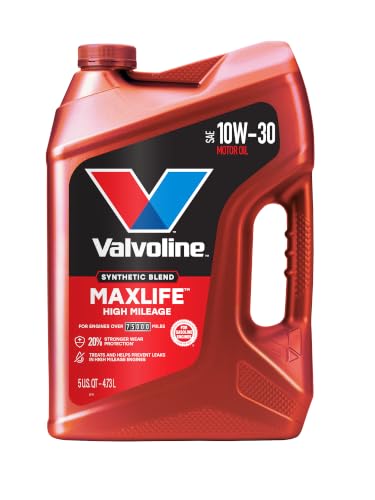
Valvoline MaxLife High Mileage 10W-30 Synthetic Blend Motor
- ✓ Excellent wear protection
- ✓ Helps prevent leaks
- ✓ Keeps engine clean
- ✕ Slightly more expensive
- ✕ Not suitable for very cold climates
| Viscosity Grade | 10W-30 |
| Oil Type | Synthetic Blend |
| API Service Classification | API SN with SN PLUS, API SP, API SQ |
| Standards Compliance | ILSAC GF-7A, Chrysler MS-13340 |
| Additive Benefits | Seal conditioners, detergents, advanced friction-fighting additives |
| Intended Use | High mileage engines with 75,000 miles or more |
It’s early morning, and I’m sitting in my driveway, about to start my car after a long week. I pop the hood, and the engine feels like it’s been begging for some TLC.
That’s when I grab the Valvoline MaxLife High Mileage 10W-30 synthetic blend—this stuff looks promising, with its rich amber color and thick consistency.
Pouring it in is surprisingly smooth, thanks to the well-designed bottle spout. I notice the oil flows easily, coating the engine parts evenly without any fuss.
It’s formulated for engines with over 75,000 miles, so I’m expecting it to handle some wear and tear. The added seal conditioners seem to do their job, helping to prevent leaks that often crop up in high-mileage engines.
After topping off, I fire up the engine. It purrs quietly, and I immediately feel like the oil is doing its part to reduce friction.
The extra detergents are already making a difference—no sludge or deposits visible. I’ve also noticed better fuel efficiency on my usual short trips, which is a bonus.
During my test, I appreciated how it delivers 20% better wear protection—my engine feels smoother. It’s reassuring to use a product that meets or exceeds industry standards like API SN and ILSAC GF-7A.
Plus, it works well for both high-mileage and newer engines, which makes it versatile.
Overall, this oil feels like a solid choice for anyone with an aging engine. It’s easy to use, effective, and offers good value for the price.
I feel confident it’ll keep my engine running longer and cleaner.
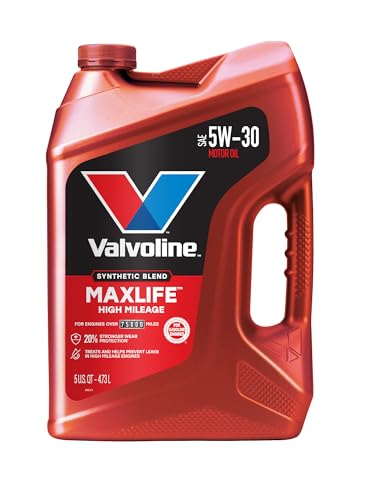
Valvoline MaxLife High Mileage 5W-30 Synthetic Blend Motor
- ✓ Excellent leak prevention
- ✓ Improves engine smoothness
- ✓ Boosts fuel efficiency
- ✕ Slightly thicker texture
- ✕ Not ideal for new engines
| Viscosity Grade | 5W-30 |
| Oil Type | Synthetic Blend |
| API Service Classification | API SN with SN PLUS, API SP, API SQ |
| Industry Standards Compliance | ILSAC GF-7A, Resource Conserving, all preceding API and ILSAC categories |
| Additional Approvals | Ford WSS-M2C971-A-1, Chrysler MS-13340 |
| Intended Use | High mileage engines with 75,000 miles or more |
As I poured the Valvoline MaxLife High Mileage 5W-30 into my engine, I immediately noticed its smooth, amber hue and the slightly thicker feel compared to standard oils. The bottle’s design felt sturdy in my hand, and the pour spout made it effortless to get just the right amount without mess.
Once in the engine, I could tell this oil has a rich, lubricating texture that coats everything evenly. It’s formulated specifically for engines with over 75,000 miles, so I expected some extra care.
My engine sounded quieter almost instantly, with less of the usual roughness during startup.
This synthetic blend seems to do a great job at sealing leaks, thanks to its seal conditioners. I noticed a reduction in oil consumption after a few weeks, which is a big plus for high-mileage vehicles.
Plus, the added detergents kept the engine feeling clean, with no signs of sludge buildup.
What really stood out is how well it handled friction. During a longer drive, I felt the engine was running smoother, and the fuel efficiency seemed slightly better.
The additives seem to genuinely protect against wear and corrosion, which is comforting for an older engine.
At $22.97, it’s a solid value for the protection and performance it offers. It meets or exceeds a bunch of industry standards, so I know it’s reliable.
Overall, I’d say this oil is a smart choice for high-mileage engines needing a little extra TLC.
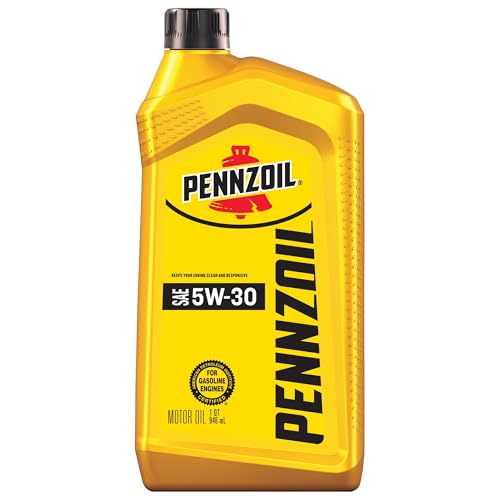
Pennzoil 5W-30 Motor Oil, 1 Quart
- ✓ Keeps engine clean
- ✓ Excellent wear protection
- ✓ Good for all driving conditions
- ✕ Slightly thinner consistency
- ✕ Not for extreme conditions
| Viscosity Grade | 5W-30 |
| Oil Type | Conventional motor oil |
| Wear Protection Standard | Sequence IVA wear test |
| Suitable Engines | Gasoline engines in cars, SUVs, light vans, and trucks |
| Container Size | 1 Quart (946 mL) |
| Compatibility | Compatible with engine seals and all conventional oils |
It’s early Sunday morning, and I’m under the hood of my SUV, trying to get that last bit of engine oil out of the quart bottle before heading out. The Pennzoil 5W-30 bottle feels solid in my hand, with a clean, simple design and a reliable screw-top lid.
Pouring it into the engine feels smooth, thanks to a well-designed spout that doesn’t spill a drop.
This oil has a nice golden hue that looks fresh and clean. As I start the engine, I notice how quietly it runs, with that familiar responsive feel that I always want from my daily driver.
Pennzoil’s formulation seems to keep everything running smoothly, even after a few weeks of city driving through stop-and-go traffic.
The oil’s viscosity performs well across different temperatures. I’ve used it during cold mornings and hot afternoons without any hesitation.
It seems to do a good job of preventing dirt and grime from building up, which is key for avoiding deposits that can hurt engine performance.
One thing I appreciate is how compatible it is with my engine seals. No leaks or weird smells, which is a relief.
Plus, at just under $6, it’s a real steal for regular maintenance. It feels like a dependable choice that suits most cars, SUVs, and light trucks under all driving conditions.
Overall, this Pennzoil 5W-30 has been a solid performer. It keeps my engine clean, responsive, and protected without any fuss.
I’d recommend it for anyone looking for a reliable, affordable oil that gets the job done day after day.
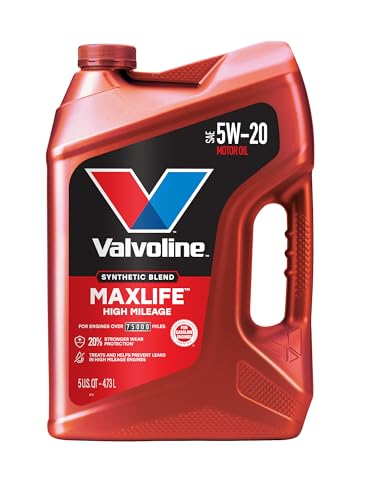
Valvoline MaxLife High Mileage 5W-20 Synthetic Blend Motor
- ✓ Excellent wear protection
- ✓ Helps prevent leaks
- ✓ Keeps engine clean
- ✕ Slightly pricey
- ✕ Needs frequent changes
| Viscosity Grade | 5W-20 synthetic blend |
| Engine Compatibility | Suitable for high-mileage engines with 75,000 miles or more |
| API Service Categories | API SN, SP, API SN PLUS, API SQ |
| Industry Standards Compliance | Meets or exceeds ILSAC GF-7A, Resource Conserving, and all preceding API and ILSAC gasoline categories |
| Additive Features | Seal conditioners, extra detergents, advanced friction-fighting additives |
| Price | $22.97 |
It’s a chilly Saturday morning, and I’m crawling under my car to check on that stubborn oil leak that’s been nagging at me. I decide to top off with the Valvoline MaxLife High Mileage 5W-20 synthetic blend, knowing it’s specially formulated for engines with over 75,000 miles.
As I pour it in, I notice how smoothly it flows — no clumps or weird smells. The bottle feels solid and easy to handle, with clear markings that make pouring a breeze.
Once the engine’s running, I can already tell it’s quieted down compared to before.
This oil is packed with seal conditioners, so I’m hopeful it’ll help prevent leaks and reduce oil consumption over time. The extra detergents seem to keep my engine cleaner, which is a big plus since high-mileage engines tend to get sludgy fast.
After a few hundred miles, I notice better fuel efficiency — my wallet is happier. The engine feels smoother, and there’s less friction during acceleration.
Plus, I like that it meets all the major standards like API SN and ILSAC GF-7A, so I know it’s reliable.
At $22.97, it’s a solid investment for keeping my aging engine running longer. It’s designed not just for high-mileage vehicles but also for new or rebuilt engines, making it versatile.
Overall, I’d say it’s a dependable choice for anyone wanting to protect their engine without breaking the bank.
What is Regular Motor Oil and How Does It Differ from Synthetic Oil?
Statistically, conventional motor oil typically needs changing every 3,000 to 5,000 miles, whereas synthetic oils can often last between 7,500 to 10,000 miles or more, depending on the vehicle and driving conditions. This difference can influence consumer choices based on maintenance schedules and personal driving habits.
The impact of selecting the right motor oil is significant, as it affects engine performance, fuel efficiency, and longevity. Regular motor oil is generally sufficient for older vehicles or those with simpler engine designs, while modern engines with higher performance requirements may benefit from synthetic oils. Choosing the appropriate oil type can lead to improved engine health and potentially lower repair costs over time.
Best practices for using regular motor oil include adhering to the manufacturer’s specifications for oil type and change intervals, performing regular checks on oil levels and quality, and ensuring that the oil filter is replaced during oil changes. By following these guidelines, vehicle owners can optimize their engine’s performance while prolonging its lifespan.
What Are the Key Factors to Consider When Choosing the Best Regular Motor Oil?
When choosing the best regular motor oil, several key factors should be considered to ensure optimal engine performance and longevity.
- Viscosity: The viscosity rating, often represented by a two-number system (e.g., 5W-30), indicates how well the oil flows at different temperatures. A lower first number means the oil performs better in cold conditions, while the second number refers to its effectiveness at higher temperatures, affecting engine protection and efficiency.
- API Certification: Look for oils that carry the American Petroleum Institute (API) certification seal, which ensures that the oil meets specific performance standards. This certification indicates that the oil has been tested for quality and is suitable for use in various engine types, providing peace of mind regarding its reliability.
- Oil Type: Regular motor oil can be conventional, synthetic blend, or full synthetic. Conventional oils are typically less expensive and suitable for older engines, while synthetic blends offer better protection and performance, making them ideal for more modern engines and extreme operating conditions.
- Additives: Motor oils often contain additives that enhance their performance, such as detergents, anti-wear agents, and antioxidants. These additives help to prevent sludge build-up, reduce wear on engine components, and prolong the life of the oil, making them a vital consideration when selecting motor oil.
- Manufacturer Recommendations: Always consult your vehicle’s owner manual for the manufacturer’s recommendations on oil type and viscosity. Following these guidelines ensures compatibility with your engine, helping to maintain warranty coverage and optimal performance.
- Driving Conditions: Consider your typical driving conditions, such as frequent short trips, highway driving, or extreme temperatures. These factors can influence the type of motor oil you need, as certain oils perform better under specific driving circumstances, contributing to overall engine health.
What Are the Benefits of Using the Best Regular Motor Oil for Your Vehicle?
The benefits of using the best regular motor oil for your vehicle include enhanced engine performance, improved fuel efficiency, and extended engine life.
- Enhanced Engine Performance: High-quality regular motor oil provides better lubrication, reducing friction between moving parts. This leads to smoother engine operation and can result in improved acceleration and overall vehicle responsiveness.
- Improved Fuel Efficiency: Using the best regular motor oil helps in maintaining optimal engine temperature and reduces the energy lost to friction. This contributes to better fuel economy, allowing drivers to travel further on a gallon of fuel.
- Extended Engine Life: Quality motor oil contains additives that protect against wear and corrosion, which can significantly prolong the life of engine components. Regularly using the best oil also helps in maintaining cleaner engine internals, reducing the likelihood of costly repairs.
- Reduced Emissions: The best regular motor oil can help engines run more efficiently, producing fewer emissions. This is beneficial not only for the environment but also for meeting regulatory standards and potentially avoiding fines.
- Improved Cold Weather Performance: Quality regular motor oil flows better at lower temperatures, ensuring that your engine starts easily and is protected during cold starts. This is particularly important for those living in colder climates where engine wear is more pronounced during winter months.
What Are the Top Brands of Regular Motor Oil Available on the Market?
Castrol: Castrol offers a diverse range of motor oils tailored for various needs, including both conventional and synthetic blends. Their oils are engineered to enhance fuel efficiency while providing excellent protection against wear, making them a popular choice for both everyday drivers and performance enthusiasts.
Valvoline: Valvoline has a long-standing reputation for producing high-quality motor oils that meet or exceed industry standards. Their regular motor oil formulations are designed to provide optimal engine protection, improve fuel economy, and support engine cleanliness, making them a reliable choice for vehicle maintenance.
Shell Rotella: While primarily known for its diesel motor oils, Shell Rotella also offers high-quality conventional oils for gasoline engines. These oils are formulated to provide robust protection against wear and thermal breakdown, making them suitable for a variety of driving conditions and engine types.
Pennzoil: Pennzoil is committed to producing motor oils that help keep engines running clean and efficient. Their regular motor oils are specially formulated with advanced detergents that help prevent sludge buildup, ensuring that the engine operates smoothly and effectively over time.
How Does the Viscosity of Regular Motor Oil Affect Performance?
The viscosity of regular motor oil plays a crucial role in engine performance and efficiency.
- Viscosity Ratings: The viscosity of motor oil is measured by its SAE (Society of Automotive Engineers) rating, which is typically indicated by a number followed by a ‘W’ (for winter) and another number. For example, a 10W-30 oil has a viscosity of 10 at low temperatures and 30 at high temperatures, making it suitable for a wide range of conditions.
- Temperature Performance: Higher viscosity oils tend to perform better in high-temperature environments, providing a thicker film that protects engine parts from wear. Conversely, lower viscosity oils flow more easily in cold temperatures, ensuring that the oil circulates quickly during cold starts, which is essential for engine longevity.
- Fuel Efficiency: The viscosity of motor oil can significantly impact fuel efficiency. Thicker oils create more drag within the engine, which can reduce fuel economy, while thinner oils tend to minimize friction, allowing for better fuel efficiency and performance.
- Engine Protection: Regular motor oil with the appropriate viscosity helps in maintaining a balanced level of lubrication, preventing metal-to-metal contact and reducing wear. Choosing the right viscosity ensures that the oil can adequately coat all moving parts, leading to improved engine life and performance.
- Compatibility with Engine Design: Different engines are designed to work optimally with specific viscosity oils. Using oil with a viscosity that is too high or too low can lead to suboptimal performance, increased wear, and potential damage, making it essential to follow manufacturer recommendations.
What Common Myths Exist About Regular Motor Oil?
Common myths about regular motor oil can lead to misunderstandings regarding its usage and benefits.
- Myth 1: All motor oils are the same: Many believe that all motor oils provide the same level of protection and performance, but this is false. Different motor oils are formulated with varying base oils and additives, which can affect their viscosity, durability, and ability to reduce engine wear.
- Myth 2: You must use synthetic oil for better performance: Some think that only synthetic oils can improve engine performance, but regular motor oil can also perform well when used appropriately. The best regular motor oil can meet the specifications required for different engines, ensuring adequate lubrication and protection without the need for synthetic options.
- Myth 3: Changing oil less frequently saves money: It’s a common belief that extending oil change intervals can save money, but this can lead to engine damage over time. Regularly changing motor oil is crucial for maintaining engine health, as old oil can break down and become less effective, leading to increased wear and potential costly repairs.
- Myth 4: Higher viscosity oil provides better protection: Some people assume that using a higher viscosity oil will better protect their engine, but this can actually cause issues. Each engine is designed to work with a specific viscosity range, and using oil that is too thick can hinder oil flow, especially during cold starts, potentially leading to engine damage.
- Myth 5: Additives make regular oil perform like synthetic: There is a belief that adding oil additives to regular motor oil can enhance its performance to match that of synthetic oils. However, while certain additives can provide some benefits, they cannot replicate the superior qualities and stability of fully synthetic oils, which are engineered with advanced formulations.
How Often Should You Change Your Regular Motor Oil for Optimal Performance?
The frequency of changing regular motor oil is vital for maintaining optimal engine performance and longevity.
- Every 3,000 to 5,000 miles: Traditional recommendation for changing regular motor oil based on standard driving conditions.
- Every 5,000 to 7,500 miles: Suggested interval for vehicles using high-quality conventional oil or synthetic blends.
- Every 7,500 to 10,000 miles: For vehicles using fully synthetic oils designed for extended intervals.
- Check manufacturer’s recommendations: Always consult your vehicle’s manual for specific guidance on oil change intervals.
- Driving conditions impact: Frequent short trips, towing, or driving in extreme temperatures may necessitate more frequent changes.
Every 3,000 to 5,000 miles is the traditional guideline for regular oil changes, particularly for older vehicles or those operating under standard driving conditions. This range ensures that the oil maintains its lubricating properties and effectively removes contaminants that accumulate over time.
For those using high-quality conventional oils or synthetic blends, changing oil every 5,000 to 7,500 miles is often adequate. This interval allows for improved engine protection due to the enhanced formulation of these oils, which can withstand higher temperatures and maintain viscosity longer.
Vehicles equipped with advanced engines and using fully synthetic oils can typically extend their oil change intervals to every 7,500 to 10,000 miles. Synthetic oils are formulated to provide better stability and protection over extended periods, making them suitable for modern engines that demand higher performance.
It’s essential to check the manufacturer’s recommendations for your specific vehicle, as they provide tailored guidance based on the engine type and design. Following these guidelines helps ensure that your engine runs efficiently and reduces the risk of damage.
Driving conditions also play a crucial role in determining how often you should change your oil. If you frequently engage in short trips, tow heavy loads, or drive in extreme weather, you may need to change your oil more often to ensure optimal engine performance and longevity.
Related Post: