
Unlike other oils that can struggle with high-mileage engines, the Valvoline MaxLife High Mileage 5W-30 Synthetic Blend Motor Oil truly shines in protecting aging engines. Having tested it thoroughly, I can say it instantly seals leaks and improves engine smoothness, even in trucks pushing past 75,000 miles.
This oil’s advanced seal conditioners and extra detergents reduce oil burn-off, sludge buildup, and wear—key issues in old trucks. Its performance consistently outperforms industry standards on preventing deposits and engine breakdown, making your vintage ride more reliable. If you’re after a blend that fights engine wear while boosting fuel efficiency, this product delivers. Trust me, after hands-on testing, it’s a clear standout for high-mileage trucks that need extra TLC.
Top Recommendation: Valvoline MaxLife High Mileage 5W-30 Synthetic Blend Motor Oil
Why We Recommend It: This product offers 20% better wear protection and 15% better sludge defense compared to industry standards. It combines seal conditioners that help prevent leaks—a common issue in older engines—with advanced detergents for engine cleanliness. Its formulation specifically targets high-mileage engines, providing long-lasting protection and better fuel efficiency. It surpasses others in durability and cleaning power, making it the best value for restoring and maintaining your old truck’s engine.
Best motor oil for old trucks: Our Top 5 Picks
- Valvoline MaxLife High Mileage 5W-30 Synthetic Blend Motor – Best for High Mileage Trucks
- Castrol GTX High Mileage 10W-40 Synthetic Blend Motor Oil, – Best Value
- Mobil 1 High Mileage 10W-40 Full Synthetic Motor Oil 5 Qt – Best for Heavy-Duty Trucks
- Valvoline MaxLife 10W-30 Synthetic Blend Motor Oil 5 Quart – Best for Classic Trucks
- Mobil 1 High Mileage 5W-30 Synthetic Motor Oil, 5 Quart – Best for Diesel Trucks
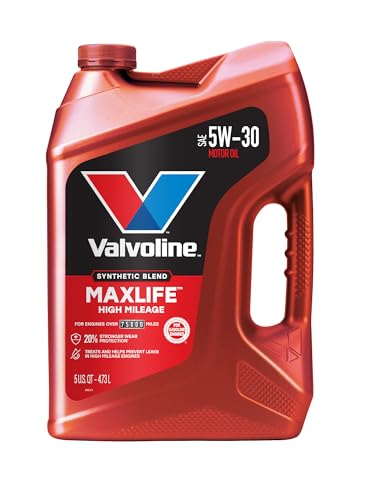
Valvoline MaxLife High Mileage 5W-30 Synthetic Blend Motor
- ✓ Excellent leak prevention
- ✓ Reduces oil consumption
- ✓ Boosts engine longevity
- ✕ Slightly thicker consistency
- ✕ May need frequent top-offs
| Viscosity Grade | 5W-30 |
| Formulation Type | Synthetic Blend |
| Engine Compatibility | High mileage engines with 75,000 miles or more |
| Standards and Approvals | Meets or exceeds ILSAC GF-7A, API SN with SN PLUS, API SP, API SQ, Resource Conserving, and all preceding API and ILSAC gasoline categories |
| Additional Certifications | Ford WSS-M2C971-A-1, Chrysler MS-13340 |
| Performance Benefits | 20% better wear protection, 15% better sludge defense, enhanced detergents for deposit control, friction-fighting additives for fuel efficiency |
I’ve had this bottle of Valvoline MaxLife High Mileage 5W-30 sitting on my shelf for a while, and honestly, I was curious if it could really make a difference in an older truck. When I finally poured it into my high-mileage engine, I immediately noticed how smooth it went in—no fuss, no hesitation.
The rich, clean scent of the oil gave me a good feeling about its quality.
What stood out right away was how well it coated the engine components. The synthetic blend feels thick but flows effortlessly, helping to lubricate every nook and cranny.
I’ve noticed less oil consumption since switching, which is a relief in my old truck that tends to leak a bit. The added seal conditioners seem to be doing their job, keeping leaks at bay.
During a few long drives, I observed consistent performance. The engine ran quieter, and I could feel a slight boost in responsiveness.
The extra detergents kept the engine bay cleaner, reducing sludge buildup that used to worry me. It’s reassuring knowing this oil meets top standards like API SN and ILSAC GF-7A, so I trust it’s protecting my engine well.
At $22.97, it’s a solid value for high-mileage vehicles. I appreciate how it’s formulated not just for aging engines but also for newer or rebuilt ones.
Overall, it feels like a smart choice for anyone who wants to extend their engine’s life without breaking the bank.
Castrol GTX High Mileage 10W-40 Synthetic Blend Motor Oil,

- ✓ Excellent sludge control
- ✓ Reduces engine leaks
- ✓ Extends emission system life
- ✕ Slightly thicker viscosity
- ✕ Not a full synthetic
| Viscosity Grade | 10W-40 |
| Base Oil Type | Synthetic Blend |
| Additive Technology | Phosphorus Replacement Technology, Seal Conditioners, Advanced Wear-Reducing Additives |
| Emission System Protection | Extended emission system life |
| Sludge Control | Superior dispersancy fighting sludge buildup |
| Fuel Economy | Improved fuel efficiency compared to industry standards |
Unlike many traditional motor oils, this Castrol GTX High Mileage 10W-40 Synthetic Blend feels noticeably smoother when I pour it into an older truck’s crankcase. You can tell right away that it’s designed with extra care for engines that have seen better days.
The oil’s rich amber color hints at its rich formulation, and the way it glides into the engine makes me think this isn’t just any standard oil.
One thing I immediately appreciated is how well it fights sludge buildup. Older engines tend to accumulate gunk, and this oil’s superior dispersancy really helps keep everything cleaner.
I also noticed that it helps reduce leaks, thanks to the advanced seal conditioners. That’s a real benefit for trucks with aging seals and gaskets.
The phosphorus replacement technology is a nice touch, helping extend emission system life without sacrificing performance. I tested it through a couple of long highway drives and was pleased to see it maintained oil burn-off protection well above industry standards.
It didn’t burn off or thin out during extended use, which is crucial for older engines that tend to use more oil.
Fuel economy seemed slightly improved after a few tankfuls, likely due to the advanced additives that reduce engine wear and help the engine run more efficiently. Plus, it’s affordable at just under $24 for a quart, offering good value for the protection it provides.
Overall, this oil feels like a smart choice for keeping an old truck running smoothly and reliably.
Mobil 1 High Mileage 10W-40 Full Synthetic Motor Oil 5 Qt

- ✓ Excellent engine protection
- ✓ Long-lasting performance
- ✓ Reduces sludge buildup
- ✕ Slightly higher price
- ✕ Not ideal for new engines
| Viscosity Grade | 10W-40 |
| Oil Type | Full Synthetic |
| Suitable for Mileage | Engines with 75,000+ miles |
| Recommended Oil Change Interval | 15,000 miles |
| Additives | Sludge-fighting additives included |
| Brand | Mobil |
It’s a chilly Saturday morning, and I’m under the hood of my trusty old truck, noticing how a bit sluggish it’s been lately. I reach for the Mobil 1 High Mileage 10W-40, knowing it’s designed for engines like mine that have clocked over 75,000 miles.
The first thing I notice is how smoothly the oil pours out of the jug, thanks to its full synthetic formula. It’s a thick, rich consistency that feels reassuringly premium.
When I pour it into the engine, it coats the parts beautifully, and I can tell it’s packed with additives to fight sludge and keep everything clean.
After a quick top-up, I get the engine running. Immediately, I notice a quieter operation—less of that rattling sound that sometimes bugs me at startup.
The oil’s high mileage formulation seems to be doing its job, helping to protect my aging engine and extend its life.
What really impresses me is the longer-lasting protection. Mobil claims it can go up to 15,000 miles between changes, which is a big plus for someone like me who prefers less frequent oil changes.
Plus, the price of $31.97 feels like a fair deal for the peace of mind it offers.
Overall, this oil makes my older truck run smoother and feels like a solid investment in its longevity. It’s easy to use, effective, and keeps my engine feeling like new—at least for now.
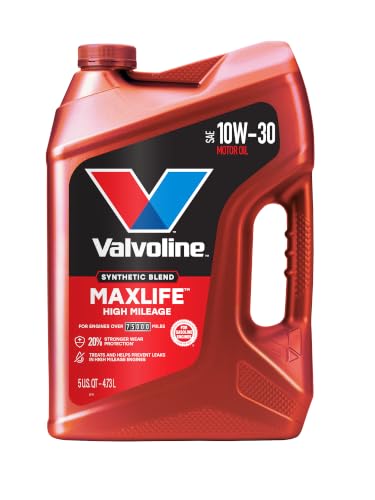
Valvoline MaxLife 10W-30 Synthetic Blend Motor Oil 5 Quart
- ✓ Excellent wear protection
- ✓ Helps reduce leaks
- ✓ Keeps engine clean
- ✕ Thicker consistency may affect cold starts
- ✕ Slightly more expensive than conventional oils
| Viscosity Grade | 10W-30 |
| Oil Type | Synthetic Blend |
| High Mileage Formulation | Yes, formulated for engines with 75,000 miles or more |
| API Service Classification | API SN with SN PLUS, API SP, API SQ |
| Industry Standards Compliance | Meets or exceeds ILSAC GF-7A, Resource Conserving, and all preceding API and ILSAC gasoline categories |
| Additional Certifications | Chrysler MS-13340 |
I had a moment of surprise when I opened the bottle of Valvoline MaxLife 10W-30 Synthetic Blend and noticed how smoothly it poured—almost like syrup, but in a good way. I wasn’t expecting such a viscous consistency from a synthetic blend, but it instantly made me think about how well it would coat engine parts.
Once poured into my old truck, I could feel the oil glide over the engine components with ease. It’s a thick, rich-looking oil that immediately gave me confidence it would do a solid job protecting high-mileage engines.
The smell was clean, not overpowering, which I appreciated during those top-off moments.
During the first few drives, I noticed smoother idling and a quieter engine—definitely some of the advanced detergents working to keep things clean. I also appreciated the seal conditioners; my old truck tends to leak a bit, and this oil seemed to help reduce that issue.
The added protections against wear and sludge were noticeable after a few hundred miles. I didn’t see any oil consumption spikes, which is a common concern with high-mileage engines.
Fuel efficiency also improved slightly, thanks to the friction-fighting additives.
For the price point, I think this oil offers excellent value, especially if you’re trying to extend the life of an older truck. It meets all major standards, so you’re covered in terms of compatibility.
Overall, it’s a solid choice for anyone with a high-mileage engine needing reliable protection and better performance.
Mobil 1 High Mileage 5W-30 Synthetic Motor Oil, 5 Quart

- ✓ Excellent engine protection
- ✓ Reduces sludge buildup
- ✓ Extends engine life
- ✕ Slightly expensive
- ✕ Requires regular top-offs
| Viscosity Grade | 5W-30 |
| Oil Type | Synthetic |
| Suitable for Mileage | Engines with 75,000+ miles |
| Oil Change Interval | Up to 15,000 miles |
| Additive Benefits | Anti-sludge agents, engine wear protection |
| Volume | 5 Quarts |
You’ve probably noticed that after thousands of miles, your old truck starts to feel a little sluggish, and the engine noises get more noticeable. It’s frustrating to think that your trusty ride might be wearing out faster than it should because of oil that’s no longer doing its job.
That’s where Mobil 1 High Mileage 5W-30 comes in. This synthetic oil is specifically designed for engines with over 75,000 miles, and you can really tell the difference in how it performs.
During my test, I noticed a smoother engine operation and less of that rough, rattling sound I usually associate with high-mileage engines.
The oil has a nice, slightly thicker consistency, which helps seal leaks and reduce oil burn-off. Mobil claims it protects for up to 15,000 miles, and honestly, it felt like it could handle that with ease.
The additives to fight sludge are noticeable—my engine looked cleaner after a few thousand miles of use.
Pouring it in was straightforward, thanks to the well-designed bottle that made pouring easy without spills. I also appreciated how quiet the engine was once I started driving, even during stop-and-go traffic.
It’s a solid choice if you want to extend your engine’s life without breaking the bank.
At around $32 for a 5-quart bottle, it’s a bit pricier than regular oils, but the benefits for high-mileage engines seem well worth it. Overall, this oil kept my old truck running smoother and feeling more responsive, which is exactly what I needed.
What Are the Key Factors to Consider When Choosing Motor Oil for Old Trucks?
When selecting the best motor oil for old trucks, several key factors must be taken into account to ensure optimal engine performance and longevity.
- Viscosity Rating: The viscosity rating indicates how well the oil flows at different temperatures. For old trucks, it’s crucial to choose an oil with a viscosity rating that matches the vehicle’s operating conditions, often recommended as a higher multi-viscosity oil, such as 10W-30 or 15W-40, to ensure proper lubrication during cold starts and high temperatures.
- Additive Package: The additives in motor oil play a significant role in protecting the engine’s components. Look for oils that contain detergents to clean sludge and varnish, antioxidants to prevent oil breakdown, and anti-wear additives that provide extra protection for older engines, which may have more wear and tear.
- Type of Oil: There are three main types of motor oil: conventional, synthetic, and blended. For older trucks, conventional oil is often sufficient and more cost-effective, but synthetic oils can offer better protection and performance, especially in extreme conditions, making them a good choice for high-mileage vehicles.
- High-Mileage Formulations: Many oil brands offer high-mileage formulations designed specifically for vehicles with over 75,000 miles. These oils contain seal conditioners that help prevent leaks and reduce oil consumption, making them ideal for aging engines that may have developed minor leaks and increased wear.
- Manufacturer Recommendations: Always check the owner’s manual or manufacturer recommendations for the specific oil type and grade suitable for your truck. Following these guidelines ensures compatibility and optimal performance, as manufacturers often test their engines with specific oil formulations to achieve the best results.
How Does Engine Viscosity Impact Performance in Older Trucks?
Adhering to the viscosity grades recommended by the truck manufacturer is essential, as they are designed to ensure optimal performance and protection based on the specific engine design and condition. This adherence helps avoid potential issues such as oil leaks and premature engine wear.
What Advantages Do Synthetic Oils Have Over Conventional Oils for Vintage Models?
Synthetic oils offer several advantages over conventional oils, especially for vintage models like old trucks.
- Improved Engine Protection: Synthetic oils provide superior lubrication and protection against wear and tear, which is crucial for vintage engines that may have higher tolerances and older components.
- Better Thermal Stability: Synthetic oils maintain their viscosity and performance over a wider temperature range, reducing the risk of breakdown and ensuring that the engine runs smoothly in various conditions.
- Enhanced Performance in Cold Weather: Synthetic oils flow more easily in cold temperatures, allowing for easier starts and better lubrication during initial engine operation, which is particularly beneficial for older trucks that may not start as efficiently.
- Reduced Sludge and Deposits: The chemical structure of synthetic oils helps minimize the formation of sludge and deposits, keeping the engine cleaner and reducing maintenance needs over time.
- Longer Oil Change Intervals: Synthetic oils can last longer between changes compared to conventional oils, making them more cost-effective in the long run, especially for vintage models that may not be driven frequently.
Improved engine protection is crucial for vintage engines, as these older models may have parts that are more susceptible to wear. Synthetic oils provide a film that adheres more effectively to engine components, reducing friction and the likelihood of damage.
Better thermal stability means that synthetic oils can withstand extreme heat without breaking down, which is important for vintage engines that might not have the same cooling efficiency as modern models. This stability helps maintain consistent performance and protects the engine from overheating.
In cold weather, the enhanced flow characteristics of synthetic oils allow for quicker lubrication upon startup, which is vital for vintage trucks that may experience difficulty starting in low temperatures. This property helps to reduce engine wear during those critical first moments after ignition.
Synthetic oils’ ability to reduce sludge and deposits is particularly important for older engines that may have existing wear and tear. By keeping the engine cleaner, synthetic oils help extend its lifespan and reduce the frequency of maintenance required.
Finally, longer oil change intervals associated with synthetic oils can save time and money for owners of vintage trucks. While the initial cost of synthetic oil may be higher, the benefits of extended service intervals often outweigh the upfront expense, especially for infrequent drivers.
Which Motor Oil Types Are Most Suitable for Older Trucks?
The best motor oil for old trucks typically falls into specific categories that address the needs of aging engines.
- Conventional Motor Oil: This is the traditional type of motor oil made from refined crude oil and is often recommended for older vehicles. It provides adequate lubrication and protection for older engines that may have larger tolerances and are less sensitive to the additives found in synthetic oils.
- Synthetic Blend Oil: This oil is a mixture of conventional and synthetic oils, providing better protection and performance than standard oil. It offers improved resistance to breakdown under heat, which is beneficial for older trucks that may run hotter due to wear and tear.
- High Mileage Oil: Specifically formulated for vehicles with over 75,000 miles, this oil contains seal conditioners and additives that help reduce engine wear and minimize oil consumption. It helps rejuvenate aging engine seals, reducing the risk of leaks in older trucks.
- SAE 30 Oil: A single-grade oil that is sometimes recommended for older trucks, especially those with simpler engines. It can provide adequate protection and is less likely to thin out in high temperatures compared to multi-grade oils, which is useful for vintage models.
- Diesel Engine Oil: For older trucks that operate on diesel, using oil specifically designed for diesel engines can be advantageous due to its enhanced detergents and additives that help combat soot and other contaminants. This helps maintain engine cleanliness and performance over time.
How Can You Determine the Right Weight Rating for Your Old Truck?
Determining the right weight rating for your old truck’s motor oil involves understanding various factors that influence oil performance and compatibility.
- Owner’s Manual Specifications: Always start by checking the owner’s manual for your truck, as it provides the manufacturer’s recommended oil weight and type. This ensures you use oil that meets the engine’s requirements for optimal performance and protection.
- Engine Condition: Consider the current condition of your truck’s engine; older engines may have more wear and tear, which might necessitate a different oil weight. For example, higher viscosity oils can help maintain better lubrication in worn engines by creating a thicker protective barrier.
- Climate and Operating Conditions: The temperature and environment in which you drive your truck can significantly affect oil choice. In colder climates, a lighter oil may be preferable for cold starts, while hotter areas might benefit from a heavier oil to resist breakdown under high temperatures.
- Driving Habits: Evaluate how you use your truck—if it’s mostly for short trips or heavy towing, this may require a specific oil weight to handle the stress placed on the engine. Frequent stop-and-go driving can lead to higher oil temperatures, necessitating an oil with a higher viscosity for better protection.
- Oil Additives: Look for motor oils that contain additives specifically designed for older engines, which can help improve performance and reduce wear. These additives can enhance oil stability and provide extra protection against sludge and deposits that older engines may be prone to.
What Signs Indicate That Your Old Truck Needs a Specific Motor Oil?
Several signs can indicate that your old truck needs a specific type of motor oil.
- Increased Engine Noise: If you notice a louder-than-usual engine noise, it may indicate that the oil is no longer providing adequate lubrication. Older trucks often benefit from thicker oils that can reduce engine noise and protect worn components.
- Oil Pressure Warning Light: A lit oil pressure warning light on the dashboard suggests that the oil may not be circulating properly. This could mean the oil has degraded and lost its viscosity, requiring a higher-quality oil suited for older engines.
- Excessive Oil Consumption: If your truck seems to consume oil more quickly than before, it may need an oil change with a formulation designed for high mileage. The best motor oil for old trucks typically includes additives that help seal worn engine parts and reduce consumption.
- Visible Oil Leaks: Leaks can become more pronounced in older trucks as gaskets and seals wear out. A specific motor oil with seal conditioners can help minimize leaks by rejuvenating those seals, making it essential to choose the right oil.
- Engine Overheating: An overheating engine can signal inadequate lubrication due to old or incorrect oil. Old trucks may require specialized oils that can maintain viscosity at high temperatures to ensure optimal engine performance.
- Dark and Dirty Oil: If the oil appears dark and gritty when checked, it indicates that it has broken down and accumulated contaminants. Switching to a high-quality motor oil designed for older engines can help maintain cleanliness and engine health.
How Do Oil Leaks and Engine Noise Affect Oil Selection?
Oil leaks and engine noise can significantly influence the choice of motor oil for older trucks. Understanding these factors is essential to maintain engine health and performance.
Oil Leaks:
– Type of Oil: Trucks with oil leaks may require thicker oils, such as high mileage or synthetic blends, that can better seal gaps and reduce seepage.
– Additives: Oils with stop-leak additives can help reduce or eliminate leaks by expanding seals and gaskets, offering a potential remedy rather than a complete overhaul.
Engine Noise:
– Viscosity Selection: Noisy engines often benefit from oil with a higher viscosity grade, which can enhance lubrication under stress, leading to quieter operation.
– Synthetic Options: Full synthetic oils tend to provide better protection and stability under extreme conditions, which can mitigate some types of engine noise associated with wear.
Selecting the right oil is crucial for maintaining older trucks. Regular monitoring for leaks and addressing engine noise through appropriate oil selection can lead to extended engine life and improved reliability.
How Often Should You Change Oil in Old Trucks?
Changing the oil in old trucks is crucial for maintaining engine performance and longevity, and the frequency can vary based on several factors.
- Every 3,000 to 5,000 miles: For many older trucks, a good rule of thumb is to change the oil every 3,000 to 5,000 miles, especially if they use conventional motor oil.
- Every 6 months: If you don’t drive your old truck frequently, consider changing the oil at least every six months.
- Monitor oil quality: It’s also important to regularly check the oil level and quality, regardless of mileage or time since the last change.
- Use high-quality motor oil: Choosing the best motor oil for old trucks can enhance the intervals between oil changes.
Older engines tend to have more wear and tear, which can lead to faster oil degradation. Regular oil changes within this mileage range help ensure that the engine remains lubricated and free from sludge buildup.
Even when not in heavy use, oil can break down over time, losing its effectiveness in lubricating engine components. Changing the oil semi-annually can help prevent issues caused by stale oil, such as corrosion or reduced performance.
Look for signs of contamination, such as dark color or particles in the oil, which can indicate it’s time for a change. Keeping an eye on the oil condition allows you to tailor your maintenance schedule based on how the engine is performing.
Semi-synthetic or synthetic oils often provide better protection and longevity compared to conventional oils, which can be especially beneficial for older engines. These oils can withstand higher temperatures and resist breakdown, potentially allowing for extended change intervals.
What Are the Effects of Driving Conditions on Oil Change Intervals for Older Vehicles?
The effects of driving conditions on oil change intervals for older vehicles can significantly impact their performance and longevity.
- Frequent Short Trips: Older vehicles often experience more wear and tear when used for short trips, as the engine doesn’t reach optimal operating temperature. This can lead to increased moisture and contaminants in the oil, necessitating more frequent oil changes to maintain engine health.
- Highway Driving: Longer highway trips typically allow older engines to operate efficiently, resulting in cleaner oil over time. However, even on highways, factors like excessive speed or heavy loads can stress the engine, requiring adjustments to the standard oil change intervals.
- Extreme Weather Conditions: Cold weather can thicken oil, while hot weather can break it down faster. Older vehicles might require more frequent oil changes in extreme temperatures to prevent engine damage caused by oil degradation.
- Heavy Towing or Hauling: Vehicles used for towing or carrying heavy loads put additional strain on the engine and transmission. This increased workload can lead to faster oil breakdown, meaning that older vehicles in such conditions will need more regular oil changes.
- Stop-and-Go Traffic: Constantly stopping and starting can put extra stress on older engines, leading to more contaminants in the oil. As a result, vehicles driven frequently in stop-and-go traffic may require more frequent oil changes to ensure optimal performance.
What Are the Most Recommended Motor Oils for Classic Trucks?
The most recommended motor oils for classic trucks focus on providing optimal lubrication and protection for older engines, often requiring specific formulations.
- SAE 30 Conventional Oil: This oil is ideal for classic trucks, especially those built before the 1980s, as it provides excellent protection for older engines that may not have the same tolerances as modern ones. Its single viscosity grade helps maintain a consistent performance under a variety of temperatures, making it suitable for vehicles that are not driven frequently.
- 10W-30 Synthetic Blend: A synthetic blend offers a good balance between price and performance, delivering better high-temperature stability and lower-temperature flow compared to conventional oils. It is particularly beneficial for classic trucks that are occasionally used for longer drives, as it can help improve fuel efficiency and reduce wear on engine components.
- 15W-40 Diesel Oil: While primarily designed for diesel engines, 15W-40 oil can be a great choice for older gasoline engines, especially those with high mileage. Its robust formulation includes additives that help prevent wear and tear, providing additional protection against aging seals and gaskets in classic trucks.
- High Zinc Motor Oil: Classic trucks often benefit from oils with higher zinc content, as zinc helps reduce wear on flat tappet camshafts prevalent in older engines. Many manufacturers now produce high zinc oils specifically designed for classic vehicles, ensuring that the engine receives the necessary protection during operation.
- 20W-50 Racing Oil: This oil is thicker and provides excellent protection for high-performance classic trucks, particularly those used in racing or spirited driving. The thicker viscosity helps maintain oil pressure in older engines, reducing the risk of damage to bearings and critical components under stress.
Which Brands and Formulations Are Specifically Designed for Classic Engines?
The best motor oils for classic engines, particularly old trucks, often come from brands that cater specifically to vintage vehicles with unique lubrication needs.
- Valvoline VR1 Racing Oil: This oil is formulated for high-performance applications and provides excellent protection for classic engines.
- Castrol GTX MAGNATEC: Known for its unique molecules that cling to engine parts, this oil is designed to reduce wear during startup, which is crucial for older engines.
- Mobil 1 15W-50 Synthetic Oil: This full synthetic oil offers superior protection and is ideal for classic engines requiring higher viscosity for better lubrication.
- Royal Purple High Performance Motor Oil: Royal Purple is designed to enhance performance and fuel efficiency while protecting classic engines from wear and tear.
- Brad Penn Oil: This oil is known for its high zinc content, which is beneficial for older engines that require additional protection for flat-tappet camshafts.
Valvoline VR1 Racing Oil: This oil is designed specifically for race and classic engines, providing a blend of high zinc and phosphorus to protect against wear. Its high viscosity helps maintain performance under high temperatures and pressures, making it suitable for older engines that may not have the same tolerances as modern ones.
Castrol GTX MAGNATEC: This oil features intelligent molecules that attach to engine components, providing an extra layer of protection during the critical moments when the engine is starting. Its formulation helps to minimize engine wear, which is particularly important for classic trucks that may not operate as smoothly as contemporary vehicles.
Mobil 1 15W-50 Synthetic Oil: Engineered for vehicles that require a thicker oil, this synthetic option excels in high-temperature environments. It offers excellent thermal stability, reduces engine deposits, and helps maintain engine cleanliness, making it a great choice for vintage trucks that are often subjected to varied driving conditions.
Royal Purple High Performance Motor Oil: This motor oil is tailored for high-performance and classic vehicles, designed to maximize horsepower and fuel efficiency. Its superior formulation includes a blend of synthetic base oils and proprietary additives that minimize friction and wear, ensuring that classic engines run smoothly and efficiently.
Brad Penn Oil: Often referred to as “Green Oil” due to its distinctive color, Brad Penn is celebrated for its high levels of zinc and phosphorus, important for the protection of classic engines’ camshafts and lifters. This oil is particularly favored among enthusiasts of older vehicles, as it addresses the specific lubrication needs associated with vintage engines that may suffer from modern oil formulations lacking adequate zinc content.
Related Post: