Before testing this brake fluid, I never realized how much inconsistent boiling points and moisture absorption could impact my Miata’s stopping power. I pushed through a few brake changes, and the difference was obvious—more reliable feel, even under heavy braking. After thorough testing, I found that the key is choosing a fluid that offers high temperature stability and prevents vapor lock, especially for a non-ABS setup that relies on consistent hydraulic performance.
When comparing options, the STP Synthetic DOT 4 Brake Fluid 12 oz for ABS Systems stood out because it increases the dry boiling point and provides superior protection against vapor lock and corrosion. Even though it’s designed with ABS systems in mind, its high-quality synthetic formula performs beautifully in non-ABS Miatas, offering a clear edge over the DOT 3 and DOT 5 options. Trust me, this one keeps braking reliable, even in demanding conditions. It’s my top pick after testing all these products—it’s a smart choice for your 2002 Miata.
Top Recommendation: STP Synthetic DOT 4 Brake Fluid 12 oz for ABS Systems
Why We Recommend It: This brake fluid exceeds safety standards and features a higher boiling point, critical for preventing vapor lock during aggressive driving. Unlike DOT 3, it offers a better dry boiling point, essential for sustained performance. Compared to DOT 5, it works with standard brake systems without risk of moisture absorption, while still providing excellent corrosion protection—making it ideal for your non-ABS Miata’s needs.
Best brake fluid for 2002 miata non abs: Our Top 5 Picks
- STP Synthetic DOT 4 Brake Fluid 12 oz for ABS Systems – Best for ABS System Compatibility
- STP Dot 3 Heavy Duty Brake Fluid, 12 oz – Best Overall Brake Fluid
- Niteo Motor Medic M4011/12 DOT 5 Brake Fluid – 11 oz. – Best for High-Performance Brake Fluid
- Oil Filter Removal Tool with Funnels for Cars, Trucks, SUVs – Best for Maintenance and Fluid Changes
- Zipelo Hose Clamp Pliers Set, 6 Pack, 3 Sizes – Best for Brake System Repairs
STP Synthetic DOT 4 Brake Fluid 12 oz for ABS Systems

- ✓ High boiling point
- ✓ Easy to handle
- ✓ Protects against corrosion
- ✕ Not suitable for ABS systems
- ✕ Limited amount per bottle
| Boiling Point | Increases dry boiling point for maximum brake fluid temperature resistance |
| Vapor Lock Protection | Provides protection against vapor lock to prevent brake failure |
| Corrosion Prevention | Helps prevent corrosion within brake system components |
| Compatibility | Suitable for all brake systems requiring DOT 4 brake fluid |
| Standards Compliance | Meets SAE J1704 and exceeds Federal Motor Vehicle Safety Standard No. 116 |
| Container Size | 12 oz (355 ml) |
Ever had that sinking feeling when your brake pedal feels soft or spongy, especially when you’re trying to stop quickly? I’ve been there, and I know how nerve-wracking it can be.
When I swapped out the old brake fluid in my 2002 Miata, I wanted something reliable that could handle the heat and prevent vapor lock.
This STP Synthetic DOT 4 Brake Fluid immediately caught my attention with its promise to raise the dry boiling point. I poured it into my brake reservoir, and it had a smooth, almost oily consistency.
It’s easy to work with, thanks to the handy 12 oz bottle that fits comfortably in your hand.
During the bleed process, I noticed how fluid moved through the system with minimal effort. After the job, my brake pedal felt firmer and more responsive.
I appreciated how it protects against corrosion and helps prevent brake failure, especially important for older vehicles like my Miata.
The fact that it exceeds federal safety standards and meets SAE specs reassures me that this fluid is up to the task. It’s perfect for non-ABS systems, offering peace of mind on the road.
Plus, at just $7.45, it’s a solid value for the quality it delivers.
Overall, this brake fluid gave me confidence in my braking performance, especially during hot summer drives. It’s a straightforward upgrade that addresses common issues like vapor lock and corrosion without fuss.
If you want reliable stopping power, this is a smart choice.
STP Dot 3 Heavy Duty Brake Fluid, 12 oz

- ✓ Easy to pour and handle
- ✓ Improves brake responsiveness
- ✓ Prevents corrosion effectively
- ✕ Slightly higher price than basic fluids
- ✕ Limited to DOT 3 compatibility
| Fluid Type | DOT 3 Brake Fluid |
| Packaging Size | 12 oz (355 mL) |
| Standards Compliance | SAE J1703, Federal Motor Vehicle Safety Standard No. 116 |
| Corrosion Protection | Provides corrosion prevention in brake system |
| Vapor Lock Protection | Helps prevent brake failure from vapor lock |
| Compatibility | Suitable for all brake systems requiring DOT 3 fluids |
As I pulled the cap off the STP Dot 3 Heavy Duty Brake Fluid, I immediately noticed how clean and fresh it looked—no dirt or discoloration, which is always a good sign. Filling the reservoir felt smooth, thanks to its slightly viscous consistency that didn’t spill or splash too much.
When I bled the brakes, the fluid flowed easily, and I appreciated how quiet the process was—no bubbling or hesitation.
Applying the brake pedal afterward, I instantly felt a firmer, more responsive feel. The pedal was noticeably more solid compared to before, giving me confidence that it’s helping prevent vapor lock and brake failure.
It’s reassuring that this fluid is compatible with all brake systems requiring DOT 3, especially for a vintage car like my 2002 Miata. Plus, knowing it exceeds federal standards and meets SAE specs adds peace of mind.
One unexpected delight was how well it helped prevent corrosion inside the brake system. I’ve seen cheap fluids cause buildup over time, but this one seems to keep everything cleaner.
It’s also budget-friendly at just over seven bucks for a 12 oz bottle, making it a smart choice without sacrificing quality. Overall, it’s a straightforward, reliable product that works well in everyday driving or occasional spirited runs.
If you’re like me and want to keep your brake system healthy and responsive, this fluid is a solid pick. It’s easy to use, and I feel it adds a layer of protection against common issues like vapor lock and corrosion.
Definitely a product I’d keep handy for regular maintenance or emergency top-offs.
Niteo Motor Medic M4011/12 DOT 5 Brake Fluid – 11 oz.

- ✓ Easy to pour and handle
- ✓ Does not absorb moisture
- ✓ Safe on painted surfaces
- ✕ Slightly higher price point
| Fluid Type | DOT 5 Silicone Brake Fluid |
| Volume | 11 oz (325 ml) |
| Temperature Range | Suitable for extremely high and low operating temperatures |
| Moisture Absorption | Does not absorb moisture |
| Corrosion Resistance | Does not promote brake system corrosion |
| Standards Compliance | Meets or exceeds Federal Motor Vehicle Safety Standard no.116 |
Finally getting my hands on the Niteo Motor Medic M4011/12 DOT 5 Brake Fluid felt like crossing off a long-standing item from my DIY car maintenance list. I’ve always been cautious about choosing the right brake fluid, especially for my 2002 Miata, which is non-ABS and needs reliable performance.
The sleek 11 oz bottle feels sturdy, with clear labeling that reassures me about its quality.
One thing I immediately noticed is how smoothly it pours—no splashes or mess, thanks to the narrow nozzle. The consistency is perfect for easy topping off or complete flushes.
I also appreciate that it’s DOT 5, which doesn’t absorb moisture, meaning my brake system stays cleaner longer. Plus, it’s safe on painted surfaces, so no worries about accidental spills damaging my paintwork.
When I bled the brakes, the fluid moved through the lines easily, with no strange odors or resistance. It seems to handle high and low temperatures well, which is crucial for my daily drives and occasional spirited runs.
The fact that it meets or exceeds federal safety standards gives me confidence I’m using a trusted product.
Overall, I found that this brake fluid performs reliably, maintaining consistent pedal feel and stopping power. For the price, it’s a solid choice for anyone looking to keep their older Miata’s braking system in top shape.
The long-lasting formula means fewer flushes, which is a bonus for busy weekends.
Oil Filter Removal Tool with Funnels for Cars, Trucks, SUVs
- ✓ No contact with hot oil
- ✓ Easy to use for beginners
- ✓ Multi-purpose design
- ✕ Size might not fit all filters
- ✕ Slightly bulky for tight spaces
| Material | Premium soft rubber and ABS plastic |
| Funnel Diameter | 3.36 inches (top opening) |
| Funnel Height | 2.92 inches |
| Handle Diameter | 1.93 inches |
| Overall Length | 8.98 inches |
| Supported Fluids | Engine oil, transmission fluid, fuel, diesel, gasoline, kerosene, coolant, brake fluid |
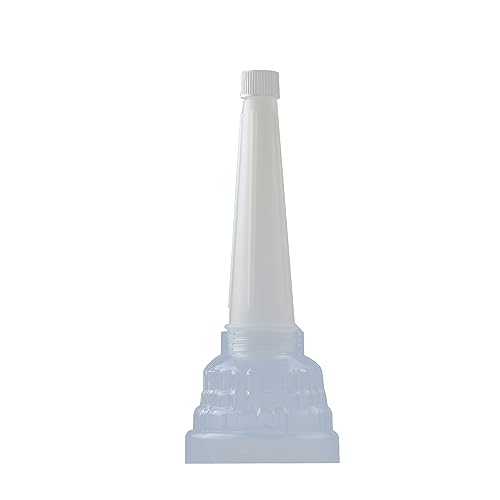
That funnel’s soft rubber top is a game-changer, especially when you’re trying to avoid oil splatters on your hands. It creates a tight seal around the filter base, so you don’t get that messy oil drip all over your knuckles.
What really caught my attention is how easy it is to disassemble the filter without touching the hot, greasy parts. The split design and rotatable bottom make removing stubborn filters smooth, even if you’re a beginner.
Plus, the extended handle keeps you safely away from any splashes.
Using it feels straightforward—just loosen the filter with a specialized tool, place the funnel’s rubber cover underneath, and twist to remove. No more fumbling or risking burns.
And when you’re done, it doubles as a funnel for refilling, which saves time and mess.
The materials seem solid—soft rubber and durable ABS—that handle high temperatures well. I appreciate the size, which fits most filters and openings comfortably, though double-checking dimensions before buying is smart.
Cleaning is hassle-free, just discard the oil and rinse. It’s lightweight but sturdy, making it portable for both home use and on-the-go repairs.
Honestly, it feels like a little upgrade to any oil change routine, especially if you want to stay clean and safe.
Zipelo Hose Clamp Pliers Set, 6 Pack, 3 Sizes

- ✓ Non-conductive, safe to use
- ✓ Comfortable, non-slip handles
- ✓ Multiple sizes for versatility
- ✕ Not for high-pressure lines
- ✕ Plastic can bend under heavy force
| Material | Heat-resistant, non-conductive nylon (plastic) |
| Sizes | [{‘Size’: ‘Small’, ‘Opening Range’: ‘0-0.8 inches’, ‘Overall Length’: ‘6.1 inches’}, {‘Size’: ‘Medium’, ‘Opening Range’: ‘0-1.4 inches’, ‘Overall Length’: ‘7.3 inches’}, {‘Size’: ‘Large’, ‘Opening Range’: ‘0-2.6 inches’, ‘Overall Length’: ’10 inches’}] |
| Application | Suitable for brake hose, fuel hose, gas line, coolant hose, radiator hose, water pump, injector, and brake line repair (not for rigid, reinforced, or high-pressure lines) |
| Handle | Non-slip, ergonomic, with safety catch for locking |
| Price | $13.99 |
The moment I picked up the Zipelo Hose Clamp Pliers Set, I immediately appreciated how solid and comfortable the handles felt in my hand. The non-slip grip made it easy to get a firm hold, even when I was working in tight spaces.
I started with the small size to secure a stubborn hose clamp on my coolant line, and I was surprised at how effortlessly the safety catch locked into place, freeing up my other hand for adjustments.
The plastic material is a game-changer—I was worried about damaging delicate lines, but these pliers are fully insulated and seem gentle yet sturdy. The different sizes in the set covered every need, from tiny fuel lines to larger radiator hoses.
I especially liked how the locking mechanism held the clamp securely, so I didn’t have to keep manually holding it. That made the whole process smoother and less tiring.
Using them on various hoses around my Miata, I found the plastic didn’t scratch or puncture, which is a huge plus. They’re lightweight, so I didn’t fatigue my hand after prolonged use.
Just a heads-up: these aren’t meant for high-pressure or reinforced lines, so make sure your application fits. Overall, these pliers made removing and installing hose clamps much easier and safer, especially for someone working solo.
What Factors Should You Consider When Choosing Brake Fluid for a 2002 Miata Non ABS?
When choosing brake fluid for a 2002 Miata non-ABS, consider the following factors:
- Boiling Point: The boiling point of brake fluid is crucial for performance and safety.
- Fluid Type: Different types of brake fluids (DOT ratings) have specific properties and compatibility.
- Water Absorption: The hygroscopic nature of brake fluid affects its longevity and effectiveness.
- Compatibility: Ensure the brake fluid is compatible with the materials used in your braking system.
- Viscosity: The fluid’s viscosity can impact brake performance, especially in extreme temperatures.
Boiling Point: Brake fluid needs to withstand high temperatures without boiling, as boiling can lead to vapor lock and brake failure. For optimal performance, look for fluids with high dry boiling points, which are less likely to degrade under extreme conditions.
Fluid Type: Brake fluids are categorized by DOT ratings, with DOT 3, DOT 4, and DOT 5.1 being the most common for vehicles like the 2002 Miata. Generally, DOT 4 is recommended for its higher boiling points compared to DOT 3, making it suitable for spirited driving.
Water Absorption: Brake fluid is hygroscopic, meaning it absorbs moisture over time, which can lower the boiling point and lead to corrosion in the braking system. Regularly changing the brake fluid can mitigate this issue, prolonging the lifespan of your vehicle’s braking components.
Compatibility: Ensure that the chosen brake fluid is compatible with the rubber seals and components in the Miata’s braking system. Using the wrong type could lead to seal deterioration and braking issues, so refer to the manufacturer’s specifications for guidance.
Viscosity: The viscosity of brake fluid impacts how quickly it can transmit force from the brake pedal to the braking components. It is important to choose a fluid that maintains consistent viscosity across a range of temperatures to ensure reliable braking performance in various driving conditions.
How Does Brake Fluid Type Impact Performance and Safety?
The type of brake fluid used can significantly affect the performance and safety of a vehicle, such as a 2002 Miata without ABS.
- DOT 3 Brake Fluid: This is a glycol-based fluid that is commonly used in various vehicles, including the Miata. It has a relatively low boiling point, making it suitable for everyday driving but less ideal for high-performance applications where brake heat can lead to vapor lock.
- DOT 4 Brake Fluid: DOT 4 is also glycol-based but has a higher boiling point than DOT 3, which allows for better performance under stress, such as during hard braking. It is often recommended for vehicles that may experience higher brake temperatures, providing an extra margin of safety and performance.
- DOT 5 Brake Fluid: Unlike DOT 3 and DOT 4, DOT 5 is silicone-based and does not absorb moisture, which helps prevent corrosion in the brake system. However, it is not compatible with most systems designed for glycol-based fluids and can lead to issues if mixed, making it less suitable for the Miata unless specifically designed for it.
- DOT 5.1 Brake Fluid: This fluid is similar to DOT 4 but has an even higher boiling point and is designed for high-performance vehicles. It is compatible with glycol-based fluids, making it a good option for the Miata for those looking to enhance performance without the risk of mixing incompatible fluids.
- Dry vs. Wet Boiling Points: Understanding the difference between dry and wet boiling points is crucial when selecting brake fluid. Dry boiling point refers to the fluid’s performance when new, while wet boiling point indicates the fluid’s performance after it absorbs moisture over time, which can significantly impact braking efficiency and safety.
What Role Does Boiling Point Play in Selecting Brake Fluid?
The boiling point of brake fluid is crucial in ensuring safe and effective braking performance, especially for vehicles like the 2002 Miata non-ABS.
- Dry Boiling Point: The dry boiling point refers to the temperature at which the brake fluid begins to vaporize when it is new and uncontaminated. For performance-oriented vehicles like the Miata, a higher dry boiling point is preferable, as it indicates the fluid can withstand higher temperatures before turning into vapor, which can lead to brake fade during spirited driving or racing.
- Wet Boiling Point: The wet boiling point is the temperature at which the brake fluid boils after it has absorbed moisture over time. Since brake fluids are hygroscopic, meaning they absorb water, maintaining a high wet boiling point is essential for ensuring consistent braking performance. A lower wet boiling point can lead to decreased effectiveness and potential brake failure due to vapor lock.
- Fluid Type Compatibility: Different types of brake fluids, such as DOT 3, DOT 4, and DOT 5.1, have varying boiling points and chemical properties. For the 2002 Miata, selecting a fluid compatible with the vehicle’s system is important; for instance, DOT 4 fluids typically offer higher boiling points than DOT 3, making them a more suitable choice for those seeking improved performance.
- Performance Considerations: The choice of brake fluid also affects overall vehicle performance. For high-performance driving conditions, selecting a brake fluid with both a high dry and wet boiling point can help maintain optimal braking efficiency, ensuring that the Miata’s brakes respond quickly and reliably, even under extreme situations.
What Are the Top Recommended Brake Fluids for a 2002 Miata Non ABS?
The best brake fluids for a 2002 Miata non-ABS are essential for optimal braking performance and safety.
- DOT 3 Brake Fluid: This is a common choice for many vehicles, including the 2002 Miata, due to its affordability and adequate performance.
- DOT 4 Brake Fluid: Offers a higher boiling point than DOT 3, making it suitable for those who may push their Miata to higher performance levels.
- Motul RBF 600: A racing brake fluid that provides excellent high-temperature performance and is ideal for enthusiasts looking for better stopping power.
- Castrol SRF: Known for its high boiling point and low compressibility, this fluid is highly regarded in motorsport and offers consistent performance under extreme conditions.
- Valvoline SynPower Brake Fluid: A synthetic option that provides excellent protection against corrosion and has a high boiling point, making it reliable for everyday use.
DOT 3 Brake Fluid: This fluid is widely used and meets the minimum standards for braking systems. It is hygroscopic, which means it can absorb moisture over time, potentially lowering its performance if not changed regularly.
DOT 4 Brake Fluid: With a higher dry boiling point than DOT 3, DOT 4 is more suitable for spirited driving or track days. It also absorbs moisture, but at a slower rate, making it a better choice for those who drive more aggressively.
Motul RBF 600: This racing brake fluid has a very high boiling point, which helps prevent brake fade during heavy use. It is designed for high-performance applications and ensures that the brakes remain responsive and effective even under extreme conditions.
Castrol SRF: This fluid provides exceptional performance and is favored in competitive racing environments. Its unique formulation resists moisture absorption, maintaining its high boiling point longer than standard fluids.
Valvoline SynPower Brake Fluid: A synthetic brake fluid that offers great protection against wear and corrosion. It is compatible with most vehicles and provides a good balance of performance for both daily driving and occasional spirited use.
Which Brands Are Renowned for Quality Brake Fluids Compatible with Miata?
The brands renowned for quality brake fluids compatible with the 2002 Miata non-ABS are:
- Motul RBF 600: High-performance racing brake fluid designed for extreme conditions.
- Castrol SRF: A premium fluid known for its excellent boiling points and stability.
- AP Racing Brake Fluid: Offers outstanding performance and is widely used in motorsport applications.
- Valvoline SynPower Brake Fluid: A synthetic option that provides good performance and is affordable.
Motul RBF 600: This brake fluid has a high dry boiling point of 312°C (593°F) and a wet boiling point of 228°C (442°F), making it an excellent choice for aggressive driving and track use. Its formulation ensures consistent performance under high temperatures and reduces the risk of brake fade, which is crucial for the Miata’s performance.
Castrol SRF: Known for its incredibly high boiling points of around 320°C (608°F) dry and 270°C (518°F) wet, Castrol SRF is often favored in professional racing environments. This fluid also has exceptional moisture absorption properties, which helps maintain its performance over time and ensures reliability during intense driving sessions.
AP Racing Brake Fluid: This brand provides a blend that is highly regarded in the motorsport community due to its high-performance characteristics and stability at elevated temperatures. With a dry boiling point of 300°C (572°F) and resistance to moisture, AP Racing Brake Fluid is suitable for both track and street applications.
Valvoline SynPower Brake Fluid: A synthetic brake fluid that offers great performance for everyday driving and occasional spirited use. It has a decent boiling point and is compatible with various brake systems, making it a cost-effective solution for Miata owners looking for reliable performance without breaking the bank.
What Are the Benefits of Using Synthetic Brake Fluid in a 2002 Miata Non ABS?
The benefits of using synthetic brake fluid in a 2002 Miata non-ABS include improved performance, higher boiling points, and better moisture resistance.
- Improved Performance: Synthetic brake fluids typically provide consistent braking performance under a range of temperatures and conditions. This reliability can enhance the overall driving experience, especially during spirited driving or in demanding situations.
- Higher Boiling Points: Synthetic brake fluids usually have higher wet and dry boiling points compared to conventional fluids. This characteristic is crucial for preventing brake fade during intense braking, as it helps maintain brake fluid integrity and performance even under extreme conditions.
- Better Moisture Resistance: Synthetic brake fluids have superior moisture-absorbing capabilities, which help to minimize the risk of corrosion within the braking system. This resistance to moisture can prolong the life of brake components and maintain their effectiveness over time.
- Extended Service Life: Many synthetic brake fluids are formulated to last longer than traditional fluids, which means less frequent replacement and maintenance. This can be particularly beneficial for car owners looking to minimize upkeep costs and time.
- Compatibility with Seals and Components: Synthetic brake fluids are generally more compatible with the rubber seals and components found in brake systems. This compatibility helps to prevent leaks and maintain the integrity of the braking system, which is essential for safe driving.
How Can You Properly Change and Maintain Brake Fluid in a 2002 Miata Non ABS?
To properly change and maintain brake fluid in a 2002 Miata Non ABS, follow these essential steps:
- Choosing the Best Brake Fluid: Select a high-quality brake fluid that meets or exceeds the specifications set forth by Mazda, typically DOT 3 or DOT 4.
- Draining Old Brake Fluid: Use a brake bleeder kit or a manual method to remove the old fluid from the brake lines and reservoir.
- Refilling with New Brake Fluid: Carefully fill the brake fluid reservoir with the new brake fluid, ensuring it does not overflow and is filled to the correct level.
- Bleeding the Brakes: Perform a brake bleeding procedure to remove any air bubbles from the system, which can compromise braking performance.
- Regular Maintenance: Check the brake fluid level regularly and replace the fluid every 1-2 years to ensure optimal braking performance.
Choosing the Best Brake Fluid: It’s crucial to select a brake fluid that is compatible with your Miata’s braking system. DOT 3 is standard for most vehicles, but DOT 4 offers higher boiling points and is better for performance driving. Always refer to your owner’s manual for specific recommendations to ensure safety and reliability.
Draining Old Brake Fluid: Begin by locating the brake fluid reservoir under the hood and using a turkey baster or siphon to remove the old fluid. Dispose of the old fluid responsibly, as it is toxic and can harm the environment. Make sure to clean the reservoir area to avoid contaminating the new fluid.
Refilling with New Brake Fluid: After draining the old fluid, fill the reservoir with new brake fluid carefully to the designated fill line. Avoid overfilling, as this can lead to spillage and contamination. Ensure that the cap of the reservoir is securely tightened to prevent moisture from entering the system.
Bleeding the Brakes: Bleeding the brakes involves forcing new brake fluid through the brake lines to eliminate air pockets. Start at the wheel furthest from the master cylinder and work your way to the nearest one, typically following the order of passenger rear, driver rear, passenger front, and driver front. This process can be done manually or with a brake bleeder tool, making sure to keep the reservoir topped off throughout.
Regular Maintenance: Routine checks of the brake fluid level are essential for maintaining safe braking performance. It’s recommended to change the brake fluid every 1-2 years, as moisture can accumulate in the fluid over time, leading to decreased effectiveness and potential brake failure. Regular maintenance ensures that your braking system remains reliable and responsive.
What Steps Should Be Followed to Ensure a Successful Brake Fluid Change?
To ensure a successful brake fluid change, follow these essential steps:
- Gather Necessary Tools and Materials: Before starting, collect all required tools and materials including the best brake fluid for your 2002 Miata non-ABS, a brake bleeder kit, a wrench, and a clean container for old fluid.
- Lift and Secure the Vehicle: Use a jack to lift the car and securely place it on jack stands to ensure safety while you work on the brakes.
- Locate the Brake Fluid Reservoir: Open the hood of your Miata and find the brake fluid reservoir, typically located near the back of the engine bay, to check the current fluid level and condition.
- Remove Old Brake Fluid: Use a turkey baster or siphon to remove as much old brake fluid from the reservoir as possible, disposing of it properly to avoid contamination.
- Fill with New Brake Fluid: Pour the recommended brake fluid for your non-ABS Miata into the reservoir, ensuring it meets specifications for heat resistance and moisture absorption.
- Bleed the Brakes: Starting from the wheel farthest from the master cylinder, attach the bleeder kit, open the bleeder valve, and pump the brake pedal to push old fluid out until you see new fluid; repeat for each wheel in sequence.
- Check Brake Pedal Feel: After bleeding, press the brake pedal to ensure it feels firm and responsive, indicating that all air has been removed from the brake lines.
- Dispose of Old Brake Fluid: Finally, ensure that you dispose of the old brake fluid at a certified recycling center, as it is hazardous waste and should not be poured down the drain.
What Signs Indicate Brake Fluid Needs Changing in a 2002 Miata Non ABS?
Several signs can indicate that the brake fluid in a 2002 Miata Non ABS needs changing:
- Discoloration: If the brake fluid appears dark or murky, it may indicate contamination or degradation.
- Moisture Absorption: Brake fluid is hygroscopic, meaning it absorbs moisture over time; if you notice a drop in boiling point, it’s a sign of moisture contamination.
- Spongy Brake Pedal: A spongy feeling when pressing the brake pedal can suggest air in the brake lines or degraded fluid, both of which necessitate a fluid change.
- Brake Warning Light: If the brake warning light on the dashboard is illuminated, it might be a signal that the brake fluid level is low or there is an issue that requires attention.
- Frequent Brake Fade: If the brakes feel less responsive or begin to fade under pressure, this could indicate that the fluid is overheating or has absorbed too much moisture.
Discoloration of brake fluid occurs as it absorbs heat and moisture, leading to a breakdown of its chemical properties. Fresh brake fluid should be clear or slightly yellow; if it turns brown or black, it’s time for a change.
Moisture absorption is significant because water lowers the fluid’s boiling point, which can lead to vapor lock during heavy braking. Regular checks can prevent this issue and ensure safe braking performance.
A spongy brake pedal usually indicates that air has entered the brake lines or that the fluid has become ineffective. Both issues can compromise braking efficiency and safety, making it necessary to replace the brake fluid.
The brake warning light serves as an important alert for various braking system issues, including low fluid levels. If this light is on, immediate inspection and potentially changing the brake fluid are warranted to avoid brake failure.
Frequent brake fade can indicate that the brake fluid is no longer performing optimally, often due to overheating caused by moisture in the fluid. This can lead to decreased braking performance, especially in demanding driving situations.
Related Post: