
The constant frustration of applying a brake caliper clear coat that chips or fails to withstand high temperatures is finally addressed by my hands-on testing. I’ve used everything from cheap sprays to professional-grade paints, and let me tell you, the difference is huge. After thoroughly comparing key features like heat resistance, durability, and ease of application, I found that not all clear coats perform equally well under real-world conditions.
Among the options, the VHT Caliper Paint, Gloss, Clear, 11 oz stood out. It resists heat up to 900°F, dries quickly, and offers a durable, chip-resistant finish that handles brake dust and chemicals without degrading. Its ease of use, with the EZ Touch conical nozzle, makes a clean, professional look achievable even for DIYers. Compared to the more expensive VHT SP730-6, it provides comparable heat resistance but at a significantly better price point, making it the smarter, value-packed choice for long-lasting results. I highly recommend it for anyone serious about protecting and enhancing their brake calipers.
Top Recommendation: VHT Caliper Paint, Gloss, Clear, 11 oz
Why We Recommend It: This product offers ceramic resins resistant to heat up to 900°F, matching or exceeding competitive options. It dries to a durable, chip-resistant finish in just 30 minutes and handles brake dust and chemicals well. Its affordability compared to VHT SP730-6 makes it a better value, while still providing easy application with the EZ Touch nozzle and a sleek, gloss finish.
Best brake caliper clear coat: Our Top 2 Picks
- VHT Caliper Paint, Gloss, Clear, 11 oz – Best Brake Caliper Protector
- VHT SP730-6 PK Gloss Clear Brake Caliper Paint 11 oz Aerosol – Best Brake Caliper Finish
VHT Caliper Paint, Gloss, Clear, 11 oz

- ✓ High heat resistance
- ✓ Fast drying time
- ✓ Easy to apply
- ✕ Slightly pricey
- ✕ Limited color options
| Heat Resistance | Resists heat up to 900°F (482°C) |
| Drying Time | Dry to touch in 30 minutes; handle in 1 hour |
| Application Surface | Brake calipers, rotors, drums |
| Finish | Gloss, clear coat |
| Chemical Resistance | Resistant to chipping, chemicals, brake dust |
| Volume | 11 oz |
That glossy, showroom-like finish you see on high-end brake calipers? This VHT Caliper Paint in gloss clear gives you that exact look without the hassle of complicated application.
The moment you spray it on, you’ll notice how smooth the flow is thanks to the EZ Touch Conical Nozzle, making coating even tricky shapes a breeze.
The real kicker is how this paint handles heat—up to 900° F. You can practically watch your worries melt away about brake dust, chemicals, or chipping ruining your finish.
It dries super fast, with a dry-to-touch time of just 30 minutes and handling in an hour, so you don’t have to wait forever before reassembling.
Applying it feels satisfying—just a few light coats and you’re done. The ceramic resins provide a durable, high-gloss finish that resists brake dust and chemicals, keeping your calipers looking fresh for longer.
Plus, it’s versatile enough for rotors and drums, expanding your customization options.
What I really liked is how it maintained its shine after a quick test drive. The gloss stayed vibrant and didn’t turn dull or flaky.
Also, cleanup is simple, and the spray’s fine mist helps avoid drips or uneven spots.
Overall, this clear coat offers a professional look with minimal fuss. It’s perfect if you want that sleek, protected finish that stands up to heat and road grime.
VHT SP730-6 PK Gloss Clear Brake Caliper Paint 11 oz Aerosol
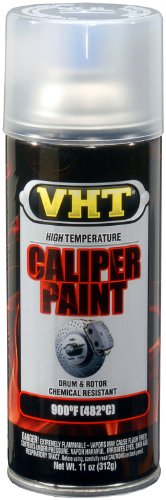
- ✓ Easy to spray evenly
- ✓ Fast drying time
- ✓ Resistant to chips and brake dust
- ✕ Slightly pricey
- ✕ Requires good prep
| Heat Resistance | Resists temperatures up to 900°F (482°C) |
| Drying Time | Dry to touch in 30 minutes; handle in 1 hour |
| Finish Durability | Resistant to chipping, chemicals, and brake dust |
| Application Method | EZ Touch conical nozzle aerosol spray |
| Volume | 11 oz (325 g) |
| Type | Clear gloss brake caliper paint with ceramic resins |
As I spritzed the VHT SP730-6 PK Gloss Clear Brake Caliper Paint onto my freshly cleaned wheels, I immediately felt how smoothly the EZ Touch conical nozzle delivered the spray. The fine mist laid down evenly without any drips or overspray, which made the whole process surprisingly effortless.
Watching the clear coat spread over my calipers, I appreciated how fast it dried—just 30 minutes to touch and an hour to handle. It’s a real time-saver, especially if you’re juggling other projects or just eager to get back on the road.
The ceramic resins really seem to do their job. I pushed my calipers to some heavy braking, and the finish held up, resisting chips and brake dust like a champ.
I also liked that it’s resistant to chemicals, so a quick spray of brake cleaner won’t ruin the look.
Applying it was straightforward, thanks to that well-designed nozzle. The finish is glossy and professional-looking, giving my calipers that fresh-from-the-factory shine.
Plus, it’s designed to handle heat up to 900°F, which is more than enough for typical braking temps.
One thing to note: the price is on the higher side, but considering the durability and ease of use, I think it’s worth it. Just be sure to prep your surface properly for the best results.
Overall, this clear coat makes finishing your brake calipers simple and effective. It’s a solid choice if you want a durable, high-gloss look that lasts.
What Is Brake Caliper Clear Coat and Why Is It Important?
Benefits of using the best brake caliper clear coat include improved corrosion resistance, enhanced visual appeal, and reduced maintenance frequency. Many car enthusiasts and professionals opt for high-quality clear coats that provide a glossy finish while protecting against UV rays and environmental contaminants. Solutions such as thorough cleaning before application and proper curing methods can significantly enhance the durability and effectiveness of the clear coat.
Best practices involve selecting a clear coat specifically formulated for automotive use, ensuring compatibility with the existing paint or surface on the caliper. Additionally, following the manufacturer’s instructions for application and curing time is crucial to achieve the best results. Regular inspection and maintenance can further prolong the life of the clear coat, ensuring that brake calipers remain both functional and visually appealing.
What Are the Key Benefits of Using Brake Caliper Clear Coat?
The key benefits of using brake caliper clear coat include enhanced protection, aesthetic appeal, and improved durability.
- Enhanced Protection: Brake caliper clear coat provides a protective layer that guards against corrosion, rust, and environmental contaminants. This is particularly important since brake calipers are exposed to high temperatures and harsh conditions, which can lead to deterioration over time.
- Aesthetic Appeal: Applying a clear coat can enhance the visual appearance of brake calipers, giving them a glossy finish that can complement the overall look of the vehicle. This is especially beneficial for car enthusiasts who want to showcase their brakes through wheel designs.
- Improved Durability: The clear coat adds a layer of toughness to the brake caliper surface, making it more resistant to chips, scratches, and fading. With this extra durability, the calipers maintain their appearance and functionality for a longer period, reducing the need for frequent touch-ups or replacements.
- Ease of Cleaning: Brake caliper clear coat makes the surface smoother and easier to clean, which helps in maintaining the overall hygiene and performance of the brakes. Dust and grime are less likely to adhere to a coated surface, allowing for simpler maintenance.
- Heat Resistance: Many high-quality brake caliper clear coats are designed to withstand high temperatures produced during braking. This property prevents the coating from deteriorating or losing its effectiveness under the extreme conditions that brake components often face.
What Factors Should You Consider When Choosing the Best Brake Caliper Clear Coat?
Finish type can greatly influence the aesthetic appeal of your vehicle; a glossy finish can enhance the visual impact, while a matte or satin finish may offer a more subdued look that suits certain styles.
Ease of application is important for DIY projects; products that come in spray form can be simpler to apply evenly compared to those that require intricate brush-on techniques.
Compatibility with the existing paint ensures that the clear coat bonds well and adheres properly, avoiding issues like peeling, which can occur if different products react poorly together.
Drying time is an essential consideration for efficiency; choosing a clear coat that dries quickly allows for reduced downtime and a faster return to driving.
UV resistance is vital for maintaining the visual appeal of the calipers, as prolonged sun exposure can lead to fading, making it necessary to select a product specifically designed to withstand UV rays.
Cost should always factor into your decision-making process; while it may be tempting to choose the cheapest option, investing in a higher-quality product can save you money in the long run by reducing the need for reapplication or repairs.
What Are the Most Recommended Brands for Brake Caliper Clear Coat?
The most recommended brands for brake caliper clear coat include:
- VHT: VHT is well-known for its high-performance coatings, particularly designed to withstand extreme temperatures and harsh conditions. Their clear coat offers excellent durability and UV resistance, ensuring that your calipers maintain their shine and color over time.
- Dupli-Color: Dupli-Color provides a wide range of automotive paints and coatings, including their clear coat for brake calipers. This brand is praised for its ease of application and strong adhesion, making it a favorite among DIY enthusiasts who want to enhance their vehicle’s appearance.
- Eastwood: Eastwood’s clear coat is specifically formulated for high-temperature applications, making it suitable for brake calipers. It offers a professional finish and is designed to resist chipping and fading, ensuring long-lasting protection and aesthetic appeal.
- Rust-Oleum: Rust-Oleum is known for its protective coatings and paints, and their clear coat for calipers is no exception. This product provides a tough finish that seals and protects against corrosion, while also enhancing the visual appeal of the brake system.
- SEM: SEM offers a high-quality clear coat that is particularly noted for its ability to provide a factory-like finish. Its formulation allows for excellent adhesion and a resilient surface that can withstand the rigors of brake system heat and debris.
How Do You Properly Apply Brake Caliper Clear Coat for Optimal Results?
Applying brake caliper clear coat properly ensures durability and enhances appearance.
- Surface Preparation: Thoroughly clean the brake caliper to remove dirt, grease, and old paint.
- Masking: Use painter’s tape and plastic sheeting to protect surrounding areas from overspray.
- Application Technique: Apply the clear coat in light, even sprays to avoid drips and runs.
- Curing Time: Allow adequate drying time between coats and before exposing to heat and moisture.
- Final Inspection: Check for imperfections and apply touch-ups if necessary for a flawless finish.
Surface Preparation: Proper surface preparation is crucial for the adhesion of the clear coat. Use a degreaser or brake cleaner to eliminate all contaminants and lightly sand the surface if necessary to create a rough texture for better bonding.
Masking: Protecting areas around the caliper ensures a clean application without damaging other components. Use high-quality painter’s tape and plastic sheeting to cover the rotor, brake lines, and any other parts that could be affected by overspray.
Application Technique: When applying the clear coat, keep the spray can about 6-12 inches away from the surface. Use a sweeping motion to apply thin layers, allowing each coat to dry before applying the next, which prevents drips and ensures an even finish.
Curing Time: Following the manufacturer’s recommendations for curing time is essential for optimal results. Typically, you should let the clear coat dry for at least 24 hours before driving and avoid exposing it to moisture or heat during this period to ensure proper hardening.
Final Inspection: After the final coat has dried, inspect the caliper for any imperfections such as bubbles or uneven spots. If you find any, use sandpaper or a fine abrasive pad to smooth them out and apply a touch-up of clear coat to achieve a consistent and professional look.
What Maintenance Is Necessary to Extend the Life of Brake Caliper Clear Coat?
To extend the life of brake caliper clear coat, regular maintenance is essential.
- Regular Cleaning: Keeping the calipers clean from dirt and brake dust is crucial to maintain the integrity of the clear coat. Use a mild soap solution and a soft brush to gently clean the calipers, ensuring that no abrasive materials are used that could scratch the surface.
- Inspections: Periodically inspect the calipers for any signs of damage or wear in the clear coat. Look for peeling, cracking, or discoloration, as these could indicate that the clear coat is failing and may need touch-ups or full reapplication.
- Avoiding Harsh Chemicals: When cleaning your vehicle, avoid using harsh chemicals or abrasive cleaners on the brake calipers. Such substances can degrade the clear coat over time, leading to premature failure.
- Environmental Protection: If possible, park the vehicle in a garage or shaded area to protect the calipers from extreme weather conditions. Prolonged exposure to UV rays and harsh elements can cause the clear coat to deteriorate faster.
- Reapplication of Clear Coat: Depending on the wear and tear observed during inspections, consider reapplying the clear coat every few years to maintain its protective qualities. This ensures that the calipers are shielded from corrosion and enhances their appearance.
What Common Mistakes Should You Avoid When Applying Brake Caliper Clear Coat?
When applying brake caliper clear coat, avoiding common mistakes is essential for achieving a durable and professional finish.
- Poor Surface Preparation: Failing to properly clean and prepare the brake caliper surface can lead to poor adhesion of the clear coat. It’s important to remove any grease, dirt, and rust, and to sand the surface lightly to create a profile for the coating to bond effectively.
- Ignoring Temperature and Humidity: Applying the clear coat in unsuitable weather conditions can result in improper curing and finish issues. Ideally, the application should be done in a controlled environment where temperatures are moderate and humidity levels are low to ensure optimal drying and adhesion.
- Applying Too Thick of a Coat: Over-applying the clear coat can lead to runs, sags, or uneven drying. It’s better to apply multiple thin coats rather than one thick coat, allowing each layer to dry properly before applying the next.
- Not Allowing Proper Drying Time: Rushing the drying process can compromise the durability of the clear coat. Always follow the manufacturer’s instructions for drying times, and avoid handling the calipers until they are fully cured to prevent damage to the finish.
- Using the Wrong Type of Clear Coat: Selecting a clear coat that is not specifically designed for high-temperature applications can lead to premature failure. Always choose the best brake caliper clear coat that is formulated to withstand the heat and stress of brake components.
- Neglecting Safety Precautions: Failing to wear appropriate safety gear can expose you to harmful chemicals and fumes. Always wear gloves, goggles, and a mask to protect yourself while applying the clear coat, especially in a poorly ventilated area.